
October 2, 2026

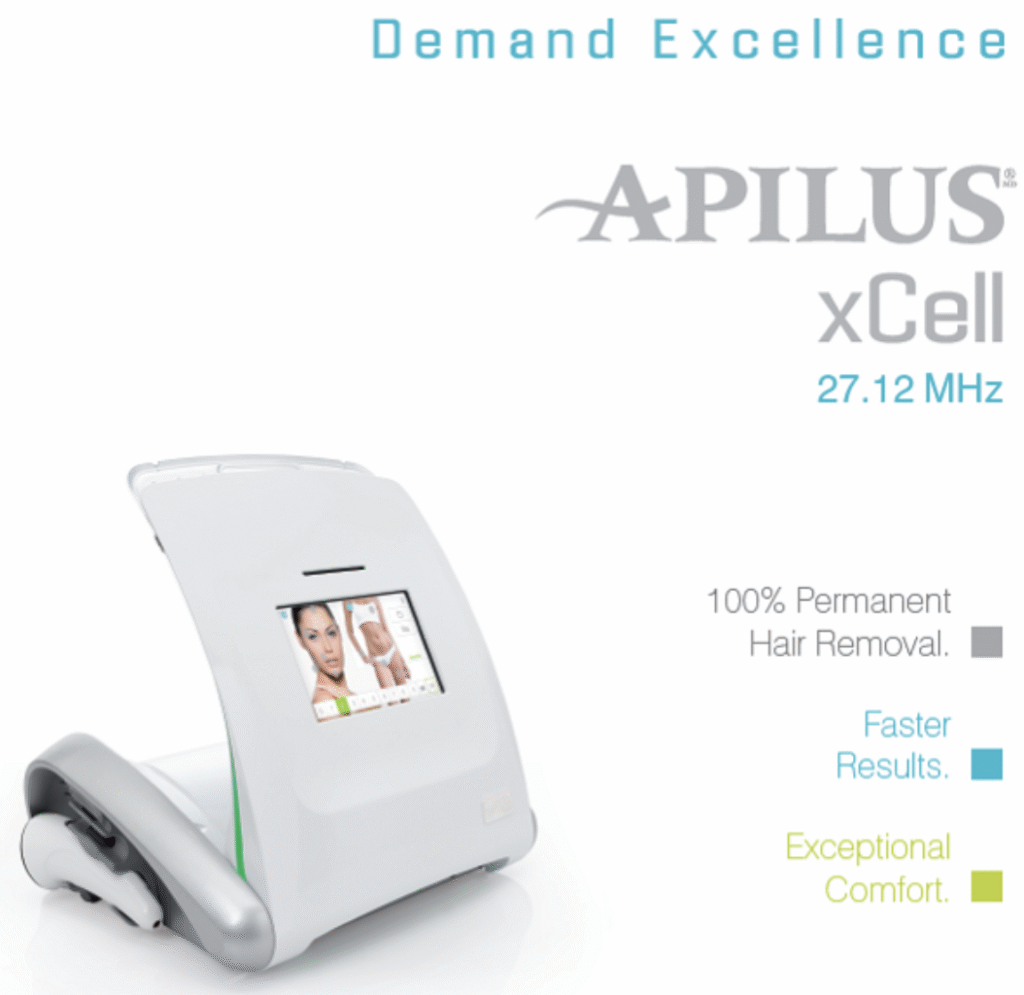
Apilus xCell Pur Electrolysis Technology
Electrolysis

Electrolysis Has Changed: How the Apilus xCell Pur Compares to Older Machines

Electrolysis Has Changed: How the Apilus xCell Pur Compares to Older Machines Ask someone who had electrolysis decades ago, and you may hear about long appointments, a lot of discomfort, and a slow road to results. Those stories have kept plenty of people from trying it. Electrolysis technology has come a long way since then. At Laser Affair in Tampa, we use the Apilus xCell Pur, a professional-grade device that delivers energy faster, adjusts to each hair, and is built around client comfort. Book a free consultation “It’s not your grandma’s electrology machine.” Our electrologist at Laser Affair This guide explains why electrolysis earned its old reputation, what has changed, and how the Apilus xCell Pur compares to the machines many people remember. In this guide Why electrolysis had a reputation for being painful Electrolysis then vs. now Faster pulses and a higher frequency Smarter settings for every hair Finer probes and modern hygiene A different class of equipment Who should give electrolysis a second look Frequently asked questions Why Electrolysis Had a Reputation for Being Painful Most people who remember electrolysis as painful are thinking of treatments from the last century. From the 1920s onward, the technology improved in steps, but for decades the experience often stayed uncomfortable. Thermolysis arrived in the 1920s and used heat to treat the follicle in a few seconds per hair. The blend method followed in the 1940s, pairing heat with the older galvanic current. Galvanic treatment on its own could take anywhere from 15 seconds to several minutes per hair, so appointments were often long and tiring. For much of the 20th century, many salons worked with manual machines. Energy was delivered in longer bursts, settings were adjusted by hand, and a lot depended on the electrologist’s guesswork about how much power each hair needed. If you or someone you know had electrolysis in the past, it may well have been on equipment like this. Longer bursts of energy meant more time for heat to spread into the surrounding skin. That is a big part of why many people remember electrolysis as uncomfortable, and why some still hesitate to try it today. Electrolysis Then vs. Now Electrolysis still uses a fine probe and a small amount of energy at the base of each follicle. Over the decades, the speed and precision of that energy have improved dramatically. Factor Older Electrolysis Machines Apilus xCell Pur Time per hair Several seconds to several minutes Pulses can be as short as a fraction of a second Radio frequency Lower frequencies, or direct current only High 27.12 MHz frequency Settings Adjusted by hand, based on experience Suggested by the device based on the area, hair size, and probe Techniques Often a single method A range of thermolysis and blend techniques Heat spread Longer bursts, more heat in surrounding skin Shorter, focused pulses with less heat spread Comfort Often remembered as uncomfortable Designed around client comfort Faster Pulses and a Higher Frequency The biggest change you’ll feel comes from how quickly energy is delivered. Apilus devices are known for their 27.12 MHz radio frequency, which is double the 13.56 MHz used by many earlier thermolysis machines, including Apilus’s own previous generation. A higher frequency allows energy to be concentrated at the base of the follicle and delivered in very short pulses. Some thermolysis techniques work in hundredths or even thousandths of a second. With less time for heat to travel, less of it reaches the surrounding skin. Dectro, the company behind Apilus, reports that the xCell is 35% more powerful than its Apilus Junior 3G. More power delivered in a shorter, more focused pulse is a large part of why today’s treatments feel so different from the ones people remember. Smarter Settings for Every Hair On older machines, the electrologist set the intensity and timing by hand and adjusted as they went. Results and comfort depended heavily on trial and error. The Apilus xCell Pur takes much of that guesswork out of the process. Your electrologist enters details such as the treatment area, the size of the hair, and the probe being used, and the device suggests appropriate settings. From there, the electrologist fine-tunes for your skin and comfort level. Settings are matched to each area, from fine upper lip hair to coarse chin hair. For you, that means each hair receives an amount of energy matched to it. A fine upper lip hair and a coarse chin hair are treated very differently, which helps keep treatment both effective and comfortable. Finer Probes and Modern Hygiene Probes have improved alongside the machines. Modern electrolysis probes are extremely fine, typically just a few thousandths of an inch wide, and are made in a range of sizes so each one can match the hair being treated. Today’s standard is a presterilized, single-use probe that is opened for your appointment and discarded afterward. Combined with a smooth, precise insertion into the natural opening of the follicle, this helps treatment feel cleaner, gentler, and more consistent from one session to the next. A Different Class of Equipment Electrolysis machines vary widely in what they can do. Many entry-level devices offer one or two basic techniques and leave most of the work to the operator. The Apilus xCell Pur sits in a different class. It represents several times the investment of a standard electrolysis machine, and that investment shows up in its speed, its range of techniques, and the precision of its settings. Choosing a studio that invests in this level of equipment says a lot about its priorities. At Laser Affair, we chose the Apilus xCell Pur because our clients’ comfort and results come first. Who Should Give Electrolysis a Second Look If an old story or a past appointment has kept you away from electrolysis, today’s technology may change your mind. It is especially helpful for a few groups. People who tried electrolysis years ago. Faster pulses and smarter settings make for a very different experience than older machines. Anyone
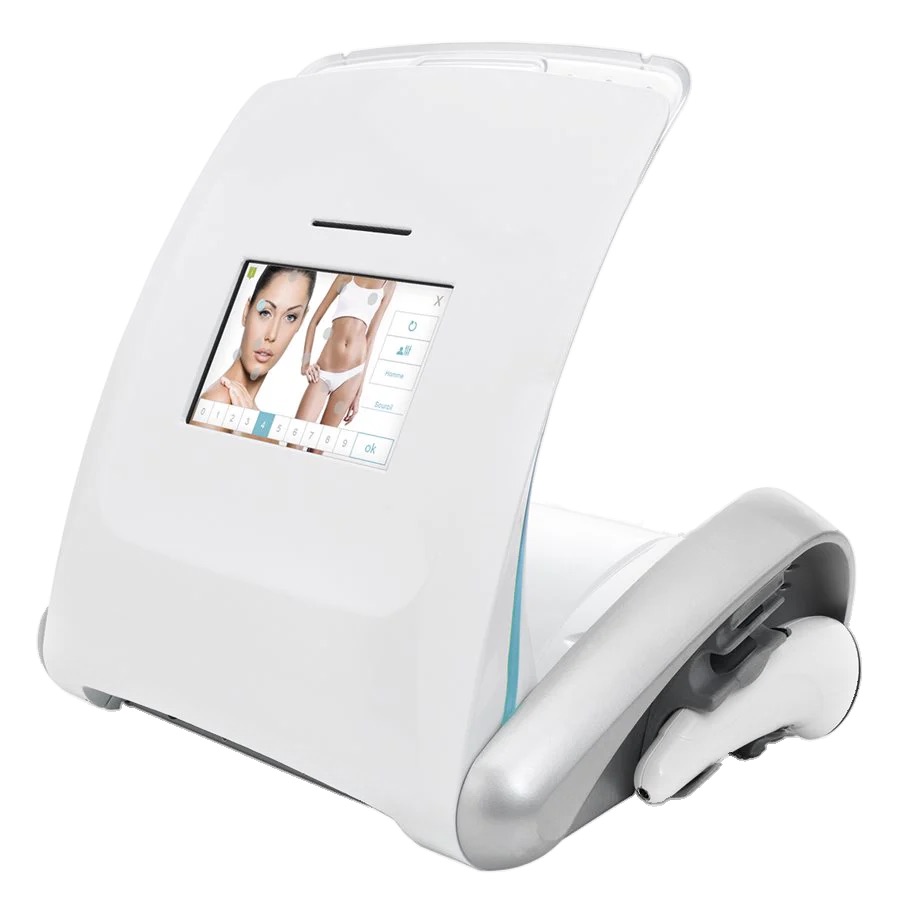
Apilus xCell Pur electrolysis device
Electrolysis

Electrolysis With the Apilus xCell Pur: How It Works and What to Expect

Electrolysis With the Apilus xCell Pur: How It Works and What to Expect Tweezing the same chin hairs every morning gets old fast. So does finding out that laser can’t touch your gray or blonde hairs. Electrolysis treats hair one follicle at a time, works on every hair color and skin tone, and is recognized by the FDA as permanent hair removal. At Laser Affair, we offer electrolysis in Tampa with the Apilus xCell Pur, one of the most advanced electrolysis devices available. Here’s how it works, who it’s right for, and what to expect from your consultation through your final session. Book a free consultation In this guide What is electrolysis? How the Apilus xCell Pur works Who electrolysis is a good fit for Electrolysis vs. laser hair removal Your consultation and how to prepare What a session is like How many sessions you may need Aftercare Frequently asked questions What Is Electrolysis? Electrolysis is a hair removal method that treats each hair follicle individually. A trained electrologist slides an ultra-fine probe into the natural opening of the follicle, following the same path the hair already grows through. The probe does not puncture the skin. Once the probe is in place, the device delivers a tiny, precisely timed burst of energy to the base of the follicle. That energy is designed to disable the cells that produce new hair. The treated hair is then lifted out with tweezers and should slide out with little to no resistance. Doctors first used electrolysis to remove ingrown eyelashes in 1875, and it has been refined for cosmetic hair removal ever since. Today, the FDA recognizes it as a permanent hair removal method. Because it treats the growth center of the follicle directly, it does not depend on hair color the way laser does. The Three Main Methods ThermolysisUses radio-frequency energy to produce heat at the base of the follicle. It is fast and works well on many hair types. GalvanicUses a mild direct current that creates a chemical reaction inside the follicle. It is slower but very thorough. BlendCombines heat and current, which can help with coarse or deep-rooted hairs. The Apilus xCell Pur offers a range of thermolysis and blend techniques. Your electrologist will recommend the best approach for your hair, your skin, and the area being treated at your consultation. How the Apilus xCell Pur Works The Apilus xCell Pur is made by Dectro International, a Canadian manufacturer known for its Apilus line of professional electrolysis devices. Apilus devices run on a high radio frequency of 27.12 MHz, which lets energy reach the follicle in extremely short pulses. The Apilus xCell Pur electrolysis device used at our Tampa studio. Shorter pulses give heat less time to spread into the surrounding skin. For many clients, that means a quicker and more comfortable treatment than they expected. The device also helps match its settings to the treatment area, the size of the hair, and the probe being used, so each follicle receives an appropriate amount of energy. If you tried electrolysis years ago, or heard stories about how uncomfortable it used to be, today’s technology may surprise you. We cover the difference in detail in How the Apilus xCell Pur Compares to Older Electrolysis Machines. Who Electrolysis Is a Good Fit For Electrolysis can work for almost anyone who wants unwanted hair gone for good. It is especially helpful in a few situations. Light, gray, white, blonde, or red hair. Laser relies on pigment in the hair to absorb its energy, so it often struggles with these colors. Electrolysis treats the follicle directly, regardless of color. Our guide to electrolysis for white, gray, and light hair covers this in more detail. Hormonal or PCOS-related hair growth. Coarse hairs on the chin, jawline, and neck respond well to electrolysis. Hormones can continue to activate new follicles, so working with your doctor on the underlying cause can help your results last. Read more about electrolysis for PCOS, or see our PCOS hair removal services. Small or detailed areas. Electrolysis treats each hair with precision, which makes it ideal for the upper lip, the unibrow, sideburns, the chin, the hairline, and a handful of stray hairs. Gender-affirming hair removal. Electrolysis is often used to fully clear facial hair, including the light or gray hairs laser can miss. Read more about our gender-affirming hair removal care. All skin tones. Since electrolysis does not target pigment, it can be used safely on light and dark skin alike. If you’re also considering laser, see our guide to laser hair removal for dark skin tones. Hairs left behind after laser. Many clients finish their facial laser hair removal results with electrolysis to treat the fine or light hairs laser could not reach. Anyone who had electrolysis years ago. If an older experience kept you away, read how the Apilus xCell Pur compares to older electrolysis machines. When to Check With Your Doctor First Please let us know before treatment if you have a pacemaker or other implanted electronic device, are pregnant, tend to form keloid scars, or have a condition that affects healing, such as diabetes. In some cases we may ask for clearance from your physician before your first session. Electrolysis vs. Laser Hair Removal Laser Affair offers both treatments, and each one has its strengths. The table below compares them side by side. Factor Electrolysis Laser Hair Removal How it works Treats each follicle individually with a fine probe Treats many follicles at once with light energy absorbed by hair pigment Hair colors All colors, including gray, white, blonde, and red Works best on darker hair Skin tones All skin tones Depends on the laser and your skin type Best for Small areas, brows, stray hairs, light hair Larger areas like legs, underarms, and back Results Permanent hair removal Long-term hair reduction Many clients use the two together. Laser can clear larger areas efficiently, and electrolysis can then finish off any light or stubborn hairs that

Scroll to Top