
Electrolysis With the Apilus xCell Pur: How It Works and What to Expect
Tweezing the same chin hairs every morning gets old fast. So does finding out that laser can't touch your gray or blonde hairs.
Electrolysis treats hair one follicle at a time, works on every hair color and skin tone, and is recognized by the FDA as permanent hair removal. At Laser Affair, we offer electrolysis in Tampa with the Apilus xCell Pur, one of the most advanced electrolysis devices available. Here's how it works, who it's right for, and what to expect from your consultation through your final session.
Book a free consultation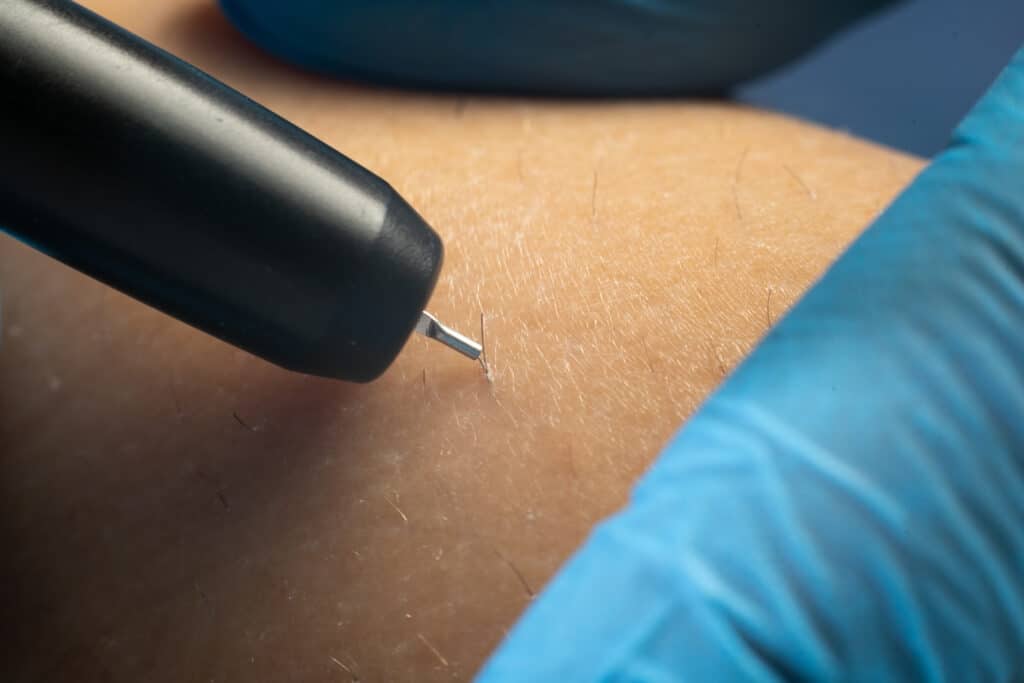
What Is Electrolysis?
Electrolysis is a hair removal method that treats each hair follicle individually. A trained electrologist slides an ultra-fine probe into the natural opening of the follicle, following the same path the hair already grows through. The probe does not puncture the skin.
Once the probe is in place, the device delivers a tiny, precisely timed burst of energy to the base of the follicle. That energy is designed to disable the cells that produce new hair. The treated hair is then lifted out with tweezers and should slide out with little to no resistance.
Doctors first used electrolysis to remove ingrown eyelashes in 1875, and it has been refined for cosmetic hair removal ever since. Today, the FDA recognizes it as a permanent hair removal method. Because it treats the growth center of the follicle directly, it does not depend on hair color the way laser does.
The Three Main Methods
The Apilus xCell Pur offers a range of thermolysis and blend techniques. Your electrologist will recommend the best approach for your hair, your skin, and the area being treated at your consultation.
How the Apilus xCell Pur Works
The Apilus xCell Pur is made by Dectro International, a Canadian manufacturer known for its Apilus line of professional electrolysis devices. Apilus devices run on a high radio frequency of 27.12 MHz, which lets energy reach the follicle in extremely short pulses.
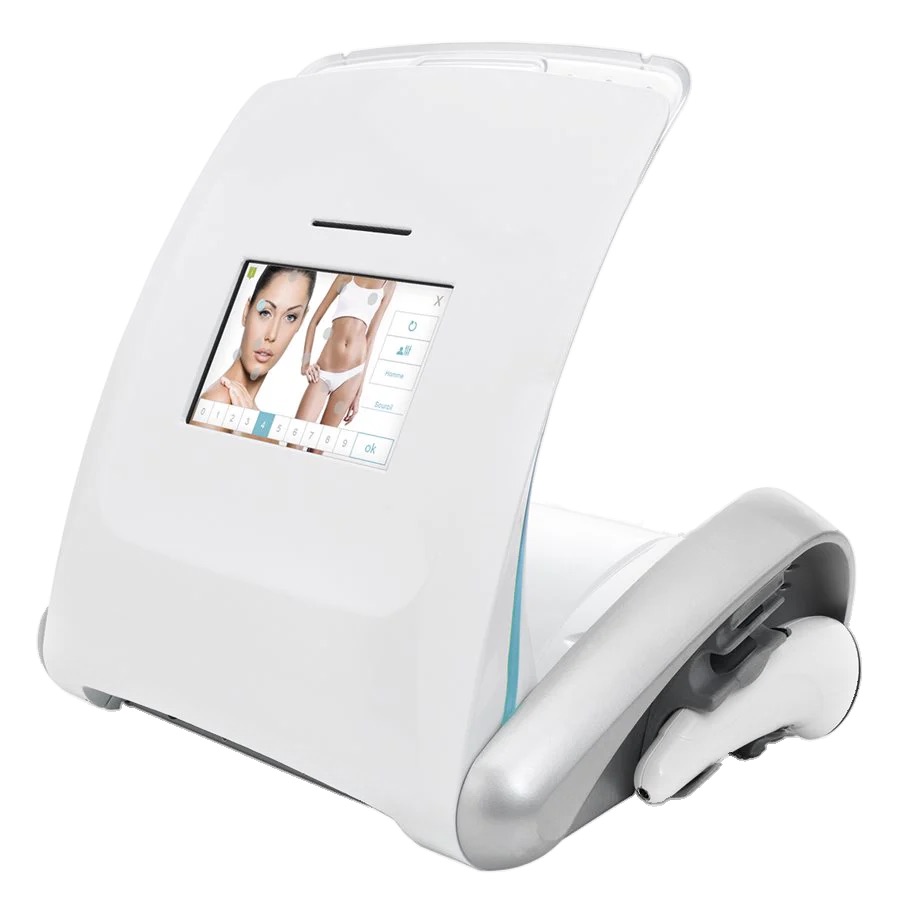
Shorter pulses give heat less time to spread into the surrounding skin. For many clients, that means a quicker and more comfortable treatment than they expected. The device also helps match its settings to the treatment area, the size of the hair, and the probe being used, so each follicle receives an appropriate amount of energy.
If you tried electrolysis years ago, or heard stories about how uncomfortable it used to be, today's technology may surprise you. We cover the difference in detail in How the Apilus xCell Pur Compares to Older Electrolysis Machines.
Who Electrolysis Is a Good Fit For
Electrolysis can work for almost anyone who wants unwanted hair gone for good. It is especially helpful in a few situations.
- Light, gray, white, blonde, or red hair. Laser relies on pigment in the hair to absorb its energy, so it often struggles with these colors. Electrolysis treats the follicle directly, regardless of color. Our guide to electrolysis for white, gray, and light hair covers this in more detail.
- Hormonal or PCOS-related hair growth. Coarse hairs on the chin, jawline, and neck respond well to electrolysis. Hormones can continue to activate new follicles, so working with your doctor on the underlying cause can help your results last. Read more about electrolysis for PCOS, or see our PCOS hair removal services.
- Small or detailed areas. Electrolysis treats each hair with precision, which makes it ideal for the upper lip, the unibrow, sideburns, the chin, the hairline, and a handful of stray hairs.
- Gender-affirming hair removal. Electrolysis is often used to fully clear facial hair, including the light or gray hairs laser can miss. Read more about our gender-affirming hair removal care.
- All skin tones. Since electrolysis does not target pigment, it can be used safely on light and dark skin alike. If you're also considering laser, see our guide to laser hair removal for dark skin tones.
- Hairs left behind after laser. Many clients finish their facial laser hair removal results with electrolysis to treat the fine or light hairs laser could not reach.
- Anyone who had electrolysis years ago. If an older experience kept you away, read how the Apilus xCell Pur compares to older electrolysis machines.
When to Check With Your Doctor First
Please let us know before treatment if you have a pacemaker or other implanted electronic device, are pregnant, tend to form keloid scars, or have a condition that affects healing, such as diabetes. In some cases we may ask for clearance from your physician before your first session.
Electrolysis vs. Laser Hair Removal
Laser Affair offers both treatments, and each one has its strengths. The table below compares them side by side.
| Factor | Electrolysis | Laser Hair Removal |
|---|---|---|
| How it works | Treats each follicle individually with a fine probe | Treats many follicles at once with light energy absorbed by hair pigment |
| Hair colors | All colors, including gray, white, blonde, and red | Works best on darker hair |
| Skin tones | All skin tones | Depends on the laser and your skin type |
| Best for | Small areas, brows, stray hairs, light hair | Larger areas like legs, underarms, and back |
| Results | Permanent hair removal | Long-term hair reduction |
Many clients use the two together. Laser can clear larger areas efficiently, and electrolysis can then finish off any light or stubborn hairs that remain. If you're planning to treat larger areas, see our guide to full body laser hair removal. If you're not sure which treatment is right for you, we can help you decide at your consultation.
Your Consultation and How to Prepare
Every electrolysis client starts with a consultation. Your electrologist will review your health history, look closely at your hair and skin, and talk through your goals. You'll also get a sense of how much treatment time your area is likely to need, and your pricing is quoted up front so there are no surprises.
Once you're ready to book your first session, a little preparation helps things go smoothly.
- Let the hair grow. Electrolysis needs hairs that are visible above the skin. We'll tell you how long to let the area grow before your appointment.
- Stop tweezing, waxing, and threading. These methods pull hair from the root and can distort the follicle, which makes it harder to treat.
- Avoid sunburn and tanning. Treatment works best on skin that is calm and not irritated.
- Come with clean skin. Skip makeup, lotion, and deodorant on the area being treated.
- Eat and hydrate. Well-hydrated skin is often easier to treat, and some clients feel more relaxed when they skip extra caffeine beforehand.
What a Session Is Like
Sessions can run anywhere from 15 minutes to an hour or longer, depending on the area and how many hairs are being treated. You'll relax on a comfortable treatment bed while your electrologist cleanses the skin and works under bright, magnified light.

For each hair, the electrologist places the probe, the device releases a brief pulse of energy, and the hair is gently lifted out. The process repeats hair by hair, with a steady rhythm that many clients find surprisingly calm.
Most clients describe the sensation as a quick flash of warmth or a brief sting. Comfort varies from person to person and from one area to the next. The upper lip, for example, tends to be more sensitive than the chin. You can ask for a break at any point.
Right after treatment, it's normal to see some redness or small raised bumps around the treated follicles. These usually settle within a few hours to a day or two.
How Many Sessions You May Need
Electrolysis takes a series of sessions because hair grows in cycles. At any given time, some of your follicles are actively growing hair, some are transitioning, and others are resting beneath the skin.
- Growing phase (anagen)The hair is attached to its blood supply and is the best stage for treatment.
- Transition phase (catagen)The hair begins to detach and stops growing.
- Resting phase (telogen)The follicle is dormant. It will eventually grow a new hair that has not been treated yet.
Only hairs visible above the skin can be treated, so new hairs from resting follicles will appear over the coming weeks and months. Some follicles also need more than one treatment. When they regrow, the hairs are usually finer and weaker each time.
Your total treatment time depends on several factors.
- The size of the area and how dense the hair is
- How coarse and deep-rooted the hairs are
- Hormonal changes or conditions such as PCOS
- Past tweezing or waxing, which can distort follicles
Early appointments are often weekly or every other week. As regrowth slows, sessions become shorter and spaced further apart. Many clients notice a clear difference within a few months, while fully clearing an area often takes a year or more. Your electrologist will build a schedule around your hair and your goals.
Aftercare
Good aftercare helps your skin heal quickly and keeps results on track. For the first 24 to 48 hours after each session, follow these guidelines unless your electrologist gives you different instructions.
- Keep your hands off. Avoid touching, scratching, or picking at the treated area or any small bumps.
- Keep it clean. Wash gently with a mild cleanser and pat dry.
- Skip makeup on the area for at least 24 hours.
- Avoid heat and sweat. Hold off on hot tubs, saunas, steam rooms, and intense workouts for a day.
- Protect your skin from the sun. Use sunscreen and limit direct sun on treated areas, especially in the Florida heat.
- Use soothing products that we recommend, and avoid harsh exfoliants or acids until your skin settles.
Between sessions, don't tweeze, wax, or thread the area. Trimming or shaving is generally fine, but check with your electrologist, who may want hairs left visible before your next visit. If you notice signs of infection, such as increasing redness, warmth, or pus, contact us.
Frequently Asked Questions
Does electrolysis hurt?
Most clients feel a quick warmth or brief sting with each hair. With the Apilus xCell Pur, energy is delivered in very short pulses, which many clients find more comfortable than they expected. Sensitivity varies by person and area.
Is electrolysis really permanent?
Electrolysis is recognized by the FDA as a permanent hair removal method. A completed treatment plan can permanently remove the treated hairs, though hormonal changes may activate new follicles over time.
Can electrolysis cause scarring?
When performed by a trained electrologist with properly adjusted settings, the risk of scarring is low. Following your aftercare instructions and avoiding picking at the skin helps your skin heal cleanly.
Can I get electrolysis if I've had laser hair removal?
Yes. Electrolysis is a great way to treat light, fine, or stubborn hairs that remain after laser.
Is electrolysis safe for darker skin tones?
Yes. Electrolysis does not target pigment, so it can be used on all skin tones.
How much does electrolysis cost?
We'll quote your pricing up front at your consultation, so you'll know what to expect before your first session.
Book Your Electrolysis Consultation in Tampa
If you're ready to stop tweezing and start treating unwanted hair for good, we'd love to meet you. Your consultation is a relaxed conversation about your goals, your hair, and the treatment plan that fits you best.
You can also learn more about our electrolysis services in Tampa.
Book your free electrolysis consultation