
Finding permanent hair removal methods for white, grey, and very light blonde hairs can be frustrating. Many people are told that laser is not an option, or they try it and see little to no change on their light hairs. This is where electrolysis becomes important. It is color independent and can target hairs that lasers often miss.
Why Laser Hair Removal Struggles With Light Hair
Traditional laser hair removal targets pigment in the hair, not the follicle itself. Light from the device is absorbed by melanin in the hair shaft and follicle, then converted into heat that damages the structures responsible for growth.
Dark hairs contain plenty of melanin, so they absorb energy efficiently. White or grey hairs have almost no pigment, and very light-colored hairs often have very little, which means the laser has nothing substantial to target. Without enough pigment, the pulse passes through the area without generating sufficient heat in the follicle to stop growth.
Some newer technologies aim to improve outcomes on lighter hairs, but results on true white and fully grey hair remain inconsistent. At best they may thin or soften some lighter hairs, and they are not considered a dependable solution for permanent removal of pigment free hair.

How Electrolysis Works, and Why Color Doesn't Matter
Electrolysis treatment uses a different principle. Instead of chasing pigment, it targets the follicle directly.
A trained electrologist inserts a very fine probe into the natural opening of each hair follicle, following the hair down to its root. A small amount of electrical energy is then delivered into the follicle. This energy disrupts the cells that are responsible for hair growth. Once a follicle is fully treated and those cells are destroyed, that follicle should not produce a new hair.
Because electrolysis works inside the follicle and does not rely on melanin, hair color is irrelevant. White, grey, blonde, red, and very light vellus hairs can all be treated. It is also suitable for any skin tone, since it is not targeting pigment in the skin.
There are different methods within electrolysis machines, such as thermolysis, galvanic, and blend. Clients do not usually need to choose a method themselves. The electrologist selects the appropriate settings and technique based on the area, hair type, and skin response.
Coarse Light Hairs: White, Grey, And Blonde
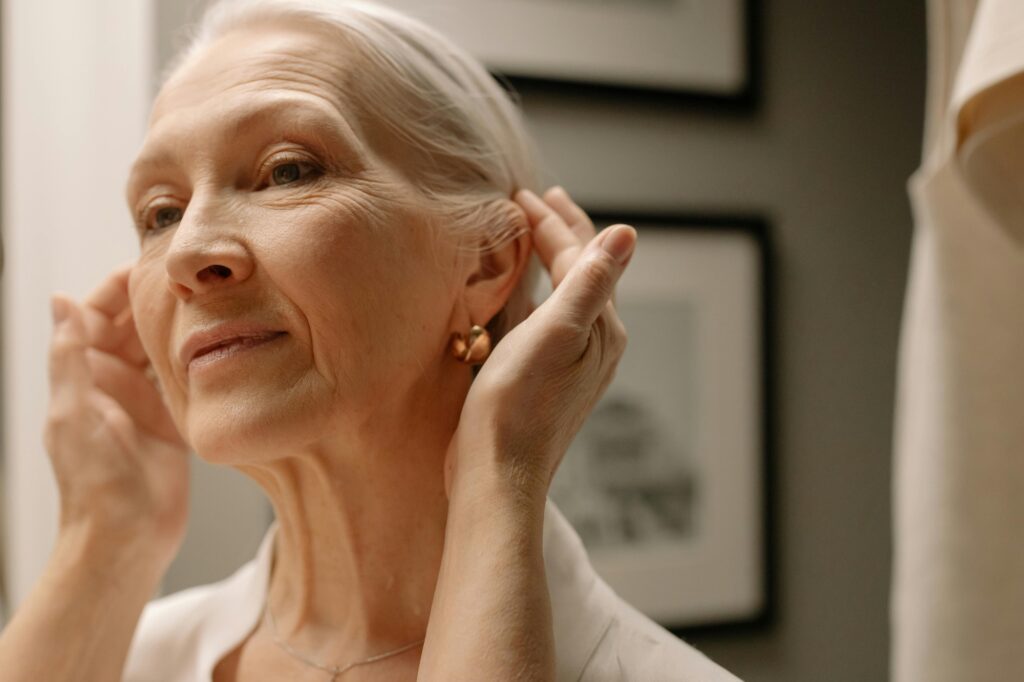
Coarse terminal hairs are the thicker, more visible strands that often show up on the chin, upper lip, jawline, neck, chest, or abdomen. Electrolysis works well on these hairs because each session targets individual follicles in a specific area. As more follicles are fully treated, overall density drops and the remaining hairs are more spaced out, so the area looks clearer even before every hair is gone.
Results take time because hair grows in cycles and not every follicle is active at the same time. Multiple treatments are needed to catch hairs as they enter the growth phase. Hairs that seem to “come back” early on are often new hairs emerging from follicles that were dormant during earlier sessions.
For clusters of coarse white, grey, or blonde facial hairs, many people start with longer or more frequent appointments to get quicker visible progress. As the most obvious hairs clear, they move to shorter or less frequent visits. Full clearance of a dense area is usually measured in months, not weeks.
Fine Vellus “Peach Fuzz”
Vellus hair, often called peach fuzz, is very fine, soft, and usually lighter in color. On some people it is barely noticeable. On others it can catch the light, create a shadow, or become more visible with certain makeup or skincare products.
Peach fuzz can also be treated with electrolysis. However, a cheek that looks only mildly fuzzy can contain hundreds of small hairs. Each follicle needs its own insertion and treatment. This makes large vellus projects more time intensive.
Many people choose a targeted approach instead of total removal. For example, focusing on:
- Denser, more noticeable strips along the jawline or sideburns
- Areas that show most in photos or under bright light
- Small patches where vellus hair has become darker or thicker
A good electrologist will discuss whether it makes sense for you to thin an area, remove hair entirely in specific zones, or leave some fuzz in place. The right approach depends on your goals, budget, and tolerance for longer projects.
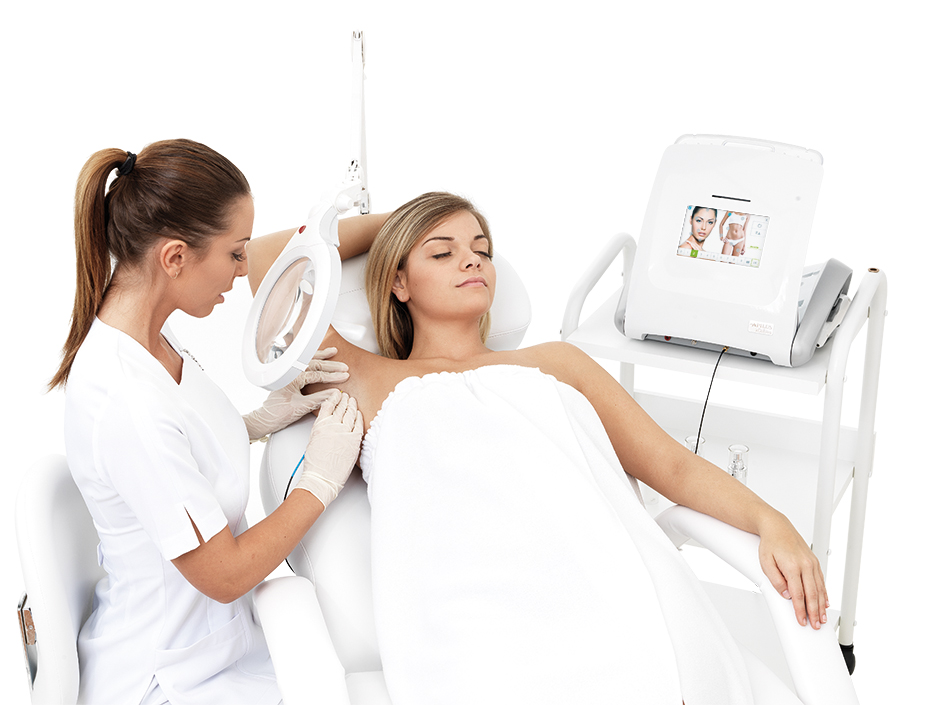
What Electrolysis Feels Like
Electrolysis is not sensation free, but most people find it manageable with the right approach.
Each treated follicle creates a brief feeling that many describe as a quick sting, a small zap, or a short burst of warmth. The intensity varies by area. The upper lip and bony parts of the face are often more sensitive than the cheeks or sides of the face. Coarse hairs can feel stronger than fine hairs because they often need different settings.
Many practitioners offer topical numbing cream, especially for sensitive facial areas or extended treatments.
Safety, Aftercare, And Healing
After a session, it is normal for the treated area to look temporarily pink or slightly swollen. This is a typical response to the work done inside the follicles. The reaction usually settles within a few hours or, for some people, within a day or so.
Basic aftercare helps the skin recover smoothly. Common guidance includes keeping the area clean, avoiding picking or scratching, and staying away from harsh products or treatments on the treated skin for a short period. High heat, intense exercise, or direct sun exposure may also be limited immediately after a session, depending on your practitioner’s advice.
Cost, Time Commitment, And Expectations
Electrolysis is a long term investment rather than a quick fix, especially for larger or denser areas. Clinics often charge by the minute or by session length. Treating a small cluster of coarse white hairs on the chin may take relatively little time. Treating both cheeks full of peach fuzz will take more. Many patients “finish” removing hair in a period of 6 months to 1.5 years.
Most people follow a pattern that starts with more frequent or longer appointments, then tapers as the density drops. For example, you might start with weekly or biweekly sessions, then transition to less frequent visits as fewer active follicles remain. The total number of hours needed depends on your hair density, hormonal influences, skin type, and how consistently you attend sessions.
The important point is that electrolysis is designed to permanently disable treated follicles. Once a follicle is fully destroyed, it should not produce another hair. Over time, the need for further treatment in that specific spot drops to zero.
Who Is A Good Candidate for Electrolysis Treatment?
Electrolysis is a strong option if:
- You have white, grey, or light blonde hairs that laser cannot treat
- You are bothered by coarse facial hairs that stand out, regardless of color
- You are prepared for a process that takes repeated sessions over many months
It may be less suitable if you want a fast, low effort solution for a large area of mild peach fuzz or if your schedule does not allow for regular visits. If you have health conditions or use medications that affect your skin or healing, it is wise to discuss electrolysis with your healthcare provider as well.

For anyone who feels stuck with white, grey, or light blonde hairs that resist other methods, electrolysis offers a path to truly permanent change. A consultation with an experienced electrologist can give you realistic hour estimates, a tailored plan for coarse and vellus hairs, and a clear sense of what your personal journey would look like.