Electrolysis

electrolysis for pcos
Laser Hair Removal, Electrolysis

Laser Hair Removal vs Electrolysis for PCOS

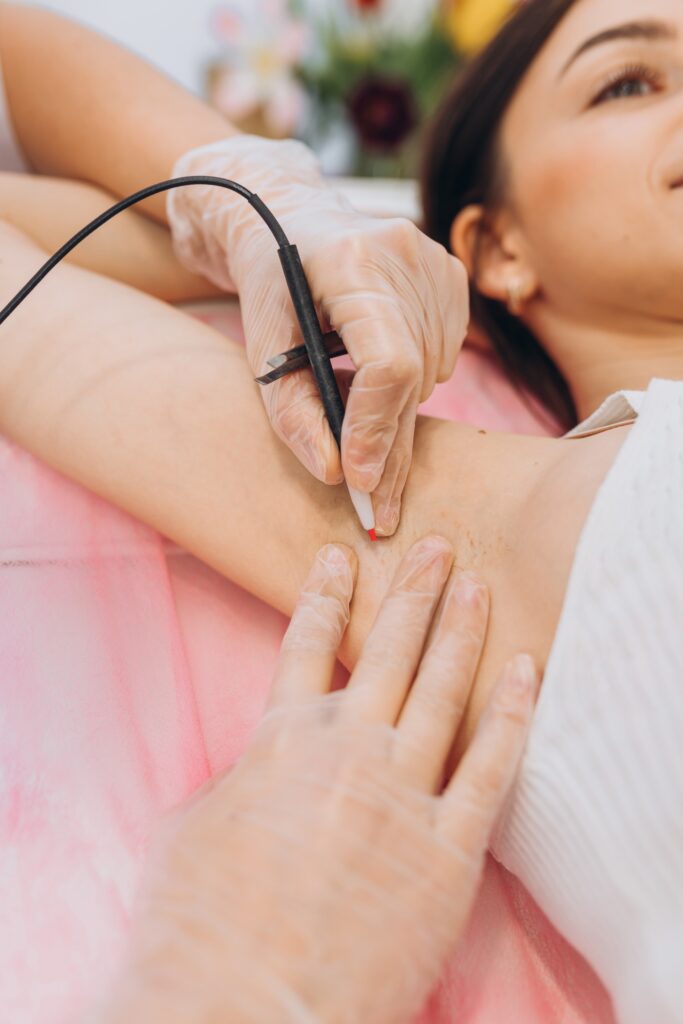
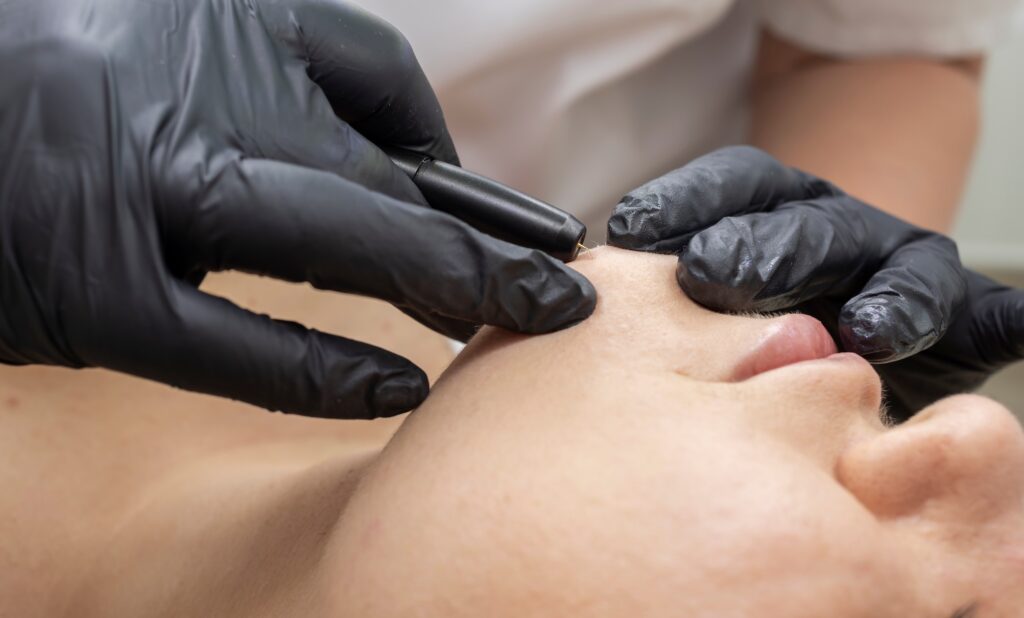
Polycystic Ovary Syndrome (PCOS) often causes excess hair growth that can be difficult to manage with traditional hair removal methods. Many people with PCOS experience frequent regrowth, coarse hair, and irritation from shaving, waxing, or plucking. Because of this, long-term hair removal treatments such as laser hair removal and electrolysis are commonly recommended. Both methods can significantly reduce unwanted hair, but they work in different ways and may be better suited to different situations. Why PCOS Causes Excess Hair Growth PCOS is a hormonal condition that affects how the ovaries function. One of the key features of PCOS is higher levels of androgens, sometimes referred to as male hormones. These hormones stimulate certain hair follicles, causing them to produce thicker, darker, and faster-growing hair in areas where women typically have little or fine hair. This condition is known as hirsutism, and it affects a large percentage of people with PCOS. How Laser Hair Removal Works Laser hair removal uses concentrated light energy to target pigment within the hair follicle. The laser is attracted to melanin, the pigment that gives hair its color. When the light energy reaches the follicle, it converts into heat. This heat damages the follicle and reduces its ability to produce new hair. Hair grows in cycles, and laser treatments are most effective during the active growth phase. Because not all hairs are in this phase at the same time, treatments are performed in a series. Most people require 6–10 sessions spaced several weeks apart to achieve optimal hair reduction. Laser hair removal tends to work best when there is contrast between the hair and skin, meaning darker hair is usually the most responsive. However, modern laser systems have expanded treatment options for a wider range of skin tones. Benefits of Laser Hair Removal for PCOS Laser hair removal is often recommended for people with PCOS who have large areas of dense hair growth. Reduces Large Amounts of Hair Quickly Laser devices treat many hair follicles at once. This makes the treatment particularly effective for areas such as the stomach, chest, back, and legs, where hair growth can be more widespread. For people with PCOS, this ability to treat large areas quickly can make hair growth significantly easier to manage. Fast Treatment Sessions Laser sessions are relatively quick. For example: Facial areas often take just a few minutes Larger areas such as the stomach or legs may take 20–30 minutes This allows multiple areas to be treated during the same appointment. Long-Term Hair Reduction Most people see substantial reduction in hair growth after completing a treatment series. Clinical studies have shown that laser treatments can reduce hair growth by 70–90% in many patients. Hair that does grow back is typically: Finer Lighter in color Slower to grow For people with PCOS, this can dramatically reduce the amount of maintenance required between treatments.   Helpful for Managing Hormonal Hair Growth PCOS can continue to stimulate hair follicles due to hormonal activity. Even so, laser treatments can make regrowth much less noticeable and easier to control, which is why they are frequently used as part of long-term hair management for this condition. How Electrolysis Works Electrolysis removes hair by targeting one follicle at a time. During treatment, a very fine probe is inserted into the hair follicle. A controlled electric current is then applied to destroy the follicle’s growth center. Once the follicle has been successfully treated, it cannot produce hair again. Electrolysis is recognized as the only FDA-approved method of permanent hair removal, meaning the treated follicles are permanently disabled. Unlike laser hair removal, electrolysis does not rely on pigment. This means it can treat all hair colors and skin tones. Benefits of Electrolysis for PCOS Electrolysis is often recommended for small areas or individual hairs, particularly on the face. Permanent Hair Removal Each follicle that is successfully treated will no longer produce hair. Over time, this allows complete and permanent removal of hair from the treated follicles. For people with PCOS, this can be especially helpful for persistent facial hairs. Works on All Hair Colors Laser treatments rely on pigment, which means they may not effectively target light-colored hair. Electrolysis can treat: Blonde hair Red hair Gray hair Dark hair This makes it a valuable option for facial hair that laser technology cannot detect well. Extremely Precise Because electrolysis treats each hair individually, it allows practitioners to target specific hairs with great precision. This is particularly useful for areas such as: The chin Upper lip Jawline These areas are commonly affected by PCOS-related hair growth.   Effective for Stubborn Hairs Some hair follicles stimulated by PCOS hormones can be resistant to laser treatments. Electrolysis provides a way to permanently remove those individual hairs. Key Differences for People With PCOS Feature Laser Hair Removal Electrolysis How it Works Uses light energy to damage multiple hair follicles at once Uses a tiny probe and electric current to destroy individual follicles Treatment speed Very fast sessions treating many hairs at once Slower because each hair is treated individually Best for Larger areas with dense hair growth All hair colors and types Hair types treated Most effective on darker hair Works on all hair colors Results Long-term hair reduction (often 70–90%) Permanent hair removal for treated follicles Common PCOS treatment areas Stomach, chest, legs, back Chin, upper lip, jawline A Combined Approach Often Works Best for PCOS In many cases, providers recommend combining both treatments to achieve the best results. A common strategy is to begin with laser hair removal to quickly reduce the density of hair in larger areas. Once the bulk of the hair has been reduced, electrolysis can be used to permanently remove remaining hairs. This approach allows patients to benefit from: The speed and efficiency of laser treatments The precision and permanence of electrolysis For people with PCOS, this combination often provides the most practical way to achieve long-term control over unwanted hair growth while minimizing ongoing maintenance.

laser hair removal or electrolysis for the bikini area
Laser Hair Removal, Electrolysis

Laser Hair Removal vs Electrolysis for a Full Brazilian: Which Option is Best?

Many people are tired of the constant cycle of shaving, waxing, and dealing with ingrown hairs in the Brazilian area. These temporary solutions often lead to irritation, bumps, and the need for frequent upkeep. For those looking for a long-term solution, laser hair removal and electrolysis are the two most popular professional treatments. Both can dramatically reduce or permanently eliminate hair in the pubic region, but they work very differently. What a Full Brazilian Includes A full Brazilian removes hair from the entire pubic region, including: The pubic mound The labia The perineum The area between the buttocks Some clients choose to remove all hair, while others prefer to leave a small strip or shape. Professional hair removal treatments allow for either option depending on personal preference. Because the Brazilian area often has dense, coarse hair, many people choose long-term solutions rather than maintaining the area with constant waxing or shaving. What Is Laser Hair Removal? Laser hair removal uses concentrated light energy to target pigment (melanin) in the hair follicle. The light converts to heat, which damages the follicle and significantly reduces its ability to grow new hair. Hair grows in cycles, and laser treatments are most effective during the active growth phase. Because not all hair is in this phase at the same time, treatments are performed in a series of sessions. Most clients require 6–10 treatments spaced several weeks apart to achieve optimal results. Laser technology works best when there is contrast between the hair and skin, which means darker hair tends to respond most effectively. Benefits of Laser Hair Removal for a Brazilian Fast Treatment Sessions Laser treatments are very efficient. A full Brazilian session typically takes 10–20 minutes, making it easy to fit into a busy schedule. Excellent for Dense Hair The pubic area often has thick, coarse hair. Laser can treat many follicles at once, allowing providers to reduce large amounts of hair quickly. Long-Term Hair Reduction Most clients experience 70–90% permanent hair reduction after completing their treatment series. The remaining hair typically grows back lighter, finer, and more sparse. Fewer Appointments Over Time After the initial treatment series, many people only need occasional maintenance sessions once or twice per year to maintain smooth results. Comfortable for Large Areas Modern laser devices include cooling technology that helps keep treatments comfortable. Many clients describe the sensation as similar to a quick rubber band snap. What Is Electrolysis? Electrolysis is a method of hair removal that targets each individual hair follicle. A tiny probe is inserted into the follicle, and a small electrical current destroys the follicle’s growth center. Once a follicle is treated successfully, it cannot produce hair again. Electrolysis is recognized as the only FDA-approved method of permanent hair removal, meaning treated follicles are permanently disabled. Unlike laser hair removal, electrolysis does not rely on hair pigment, making it effective for all hair types. Benefits of Electrolysis for a Brazilian Truly Permanent Hair Removal Each follicle that is treated and destroyed will not grow hair again. This makes electrolysis ideal for those seeking complete and permanent hair removal. Works on All Hair Colors Electrolysis is effective on: Blonde hair Red hair Gray hair Dark hair This makes it especially useful for hair types that laser may not target effectively. Suitable for All Skin Tones Because the treatment does not rely on pigment, electrolysis works safely across a wide range of skin tones. Extremely Precise Electrolysis treats one follicle at a time, allowing practitioners to target individual hairs with great precision. This can be especially useful for shaping or refining the Brazilian area. Permanent Results Without Maintenance Once a follicle has been successfully treated, it is permanently disabled. Over time, this leads to complete and lasting hair removal in the treated area. Comparing Laser Hair Removal and Electrolysis Feature Laser Hair Removal Electrolysis How it Works Uses light energy to damage multiple hair follicles at once Uses a tiny probe and electric current to destroy individual follicles Treatment speed Very fast sessions (about 10–20 minutes) Slower because each hair is treated individually Total timeline Typically 6–9 months for a full treatment series Often 12–18 months depending on hair density Best for Dark, coarse hair All hair colors and types Area coverage Excellent for large, dense areas like the pubic region Ideal for precise hair removal Results Long-term hair reduction (often 70–90%) Permanent hair removal for treated follicles Maintenance Occasional touch-up sessions No regrowth in treated follicles Which Option Is Better for a Full Brazilian? Laser hair removal is often preferred for Brazilian treatments because it can reduce large amounts of hair quickly. The speed of treatment and ability to cover large areas make it a popular choice for people with dense or coarse hair. Electrolysis can be an excellent choice for individuals who want complete and permanent removal of every hair, especially if their hair is light-colored or resistant to laser treatments. Because electrolysis treats follicles individually, it is particularly helpful for targeting specific hairs or refining the results after other treatments. Many Clients Use Both Treatments In practice, many people achieve the best results by combining both methods. A common approach is: Start with laser hair removal to reduce the bulk of dense hair quickly. Finish with electrolysis to permanently remove any remaining hairs. This combination allows clients to benefit from the speed of laser treatments and the permanent precision of electrolysis. Factors to Consider Before Choosing a Treatment When deciding between laser hair removal and electrolysis for a Brazilian, it helps to consider a few important factors: Hair color and thickness Skin tone Desired level of permanence Timeline for results Budget and number of sessions A consultation with an experienced provider can help determine which treatment will deliver the best outcome based on your specific hair and skin type. Final thoughts Both laser hair removal and electrolysis offer effective long-term solutions for Brazilian hair removal. Laser hair removal is known for speed, efficiency, and significant long-term reduction, especially for darker hair. Electrolysis provides precise,

electrolysis for white hair
Electrolysis

Electrolysis for White, Grey, and Light Hair: Hair Removal That Actually Works

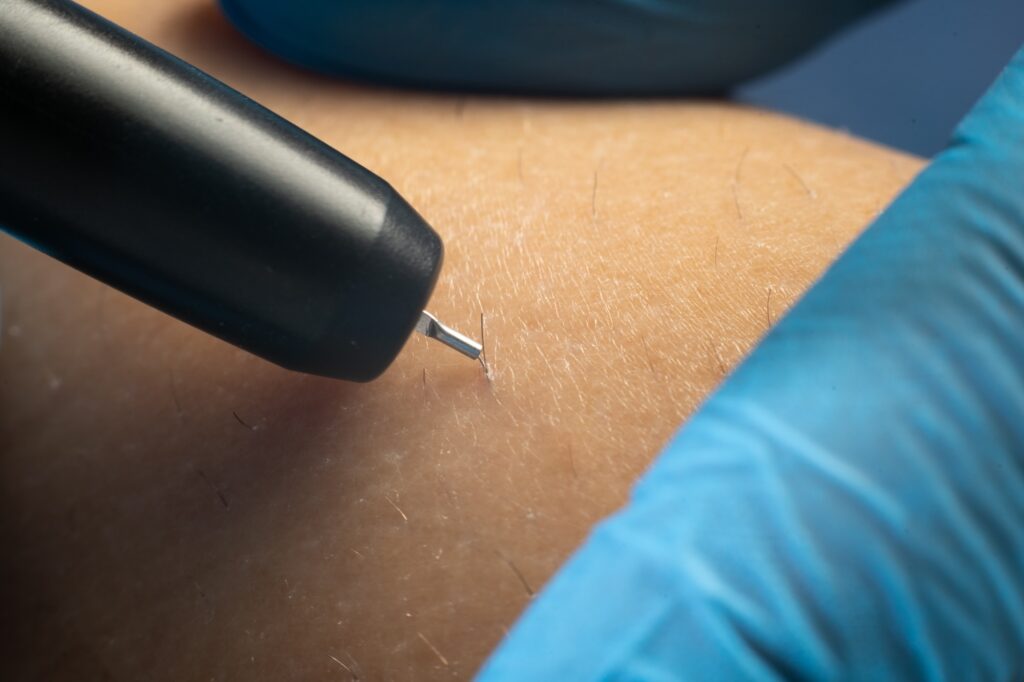
Finding permanent hair removal methods for white, grey, and very light blonde hairs can be frustrating. Many people are told that laser is not an option, or they try it and see little to no change on their light hairs. This is where electrolysis becomes important. It is color independent and can target hairs that lasers often miss. Why Laser Hair Removal Struggles With Light Hair Traditional laser hair removal targets pigment in the hair, not the follicle itself. Light from the device is absorbed by melanin in the hair shaft and follicle, then converted into heat that damages the structures responsible for growth. Dark hairs contain plenty of melanin, so they absorb energy efficiently. White or grey hairs have almost no pigment, and very light-colored hairs often have very little, which means the laser has nothing substantial to target. Without enough pigment, the pulse passes through the area without generating sufficient heat in the follicle to stop growth. Some newer technologies aim to improve outcomes on lighter hairs, but results on true white and fully grey hair remain inconsistent. At best they may thin or soften some lighter hairs, and they are not considered a dependable solution for permanent removal of pigment free hair. Electrolysis v Laser Hair Removal Guide How Electrolysis Works, and Why Color Doesn’t Matter Electrolysis treatment uses a different principle. Instead of chasing pigment, it targets the follicle directly. A trained electrologist inserts a very fine probe into the natural opening of each hair follicle, following the hair down to its root. A small amount of electrical energy is then delivered into the follicle. This energy disrupts the cells that are responsible for hair growth. Once a follicle is fully treated and those cells are destroyed, that follicle should not produce a new hair. Because electrolysis works inside the follicle and does not rely on melanin, hair color is irrelevant. White, grey, blonde, red, and very light vellus hairs can all be treated. It is also suitable for any skin tone, since it is not targeting pigment in the skin. There are different methods within electrolysis machines, such as thermolysis, galvanic, and blend. Clients do not usually need to choose a method themselves. The electrologist selects the appropriate settings and technique based on the area, hair type, and skin response. Coarse Light Hairs: White, Grey, And Blonde Coarse terminal hairs are the thicker, more visible strands that often show up on the chin, upper lip, jawline, neck, chest, or abdomen. Electrolysis works well on these hairs because each session targets individual follicles in a specific area. As more follicles are fully treated, overall density drops and the remaining hairs are more spaced out, so the area looks clearer even before every hair is gone. Results take time because hair grows in cycles and not every follicle is active at the same time. Multiple treatments are needed to catch hairs as they enter the growth phase. Hairs that seem to “come back” early on are often new hairs emerging from follicles that were dormant during earlier sessions. For clusters of coarse white, grey, or blonde facial hairs, many people start with longer or more frequent appointments to get quicker visible progress. As the most obvious hairs clear, they move to shorter or less frequent visits. Full clearance of a dense area is usually measured in months, not weeks. Fine Vellus “Peach Fuzz” Vellus hair, often called peach fuzz, is very fine, soft, and usually lighter in color. On some people it is barely noticeable. On others it can catch the light, create a shadow, or become more visible with certain makeup or skincare products. Peach fuzz can also be treated with electrolysis. However, a cheek that looks only mildly fuzzy can contain hundreds of small hairs. Each follicle needs its own insertion and treatment. This makes large vellus projects more time intensive. Many people choose a targeted approach instead of total removal. For example, focusing on: Denser, more noticeable strips along the jawline or sideburns Areas that show most in photos or under bright light Small patches where vellus hair has become darker or thicker A good electrologist will discuss whether it makes sense for you to thin an area, remove hair entirely in specific zones, or leave some fuzz in place. The right approach depends on your goals, budget, and tolerance for longer projects. What Electrolysis Feels Like Electrolysis is not sensation free, but most people find it manageable with the right approach. Each treated follicle creates a brief feeling that many describe as a quick sting, a small zap, or a short burst of warmth. The intensity varies by area. The upper lip and bony parts of the face are often more sensitive than the cheeks or sides of the face. Coarse hairs can feel stronger than fine hairs because they often need different settings. Many practitioners offer topical numbing cream, especially for sensitive facial areas or extended treatments.  Safety, Aftercare, And Healing After a session, it is normal for the treated area to look temporarily pink or slightly swollen. This is a typical response to the work done inside the follicles. The reaction usually settles within a few hours or, for some people, within a day or so. Basic aftercare helps the skin recover smoothly. Common guidance includes keeping the area clean, avoiding picking or scratching, and staying away from harsh products or treatments on the treated skin for a short period. High heat, intense exercise, or direct sun exposure may also be limited immediately after a session, depending on your practitioner’s advice. Cost, Time Commitment, And Expectations Electrolysis is a long term investment rather than a quick fix, especially for larger or denser areas. Clinics often charge by the minute or by session length. Treating a small cluster of coarse white hairs on the chin may take relatively little time. Treating both cheeks full of peach fuzz will take more. Many patients “finish” removing hair in a period of 6 months

Scroll to Top