What to Look for in an Electrolysis Provider
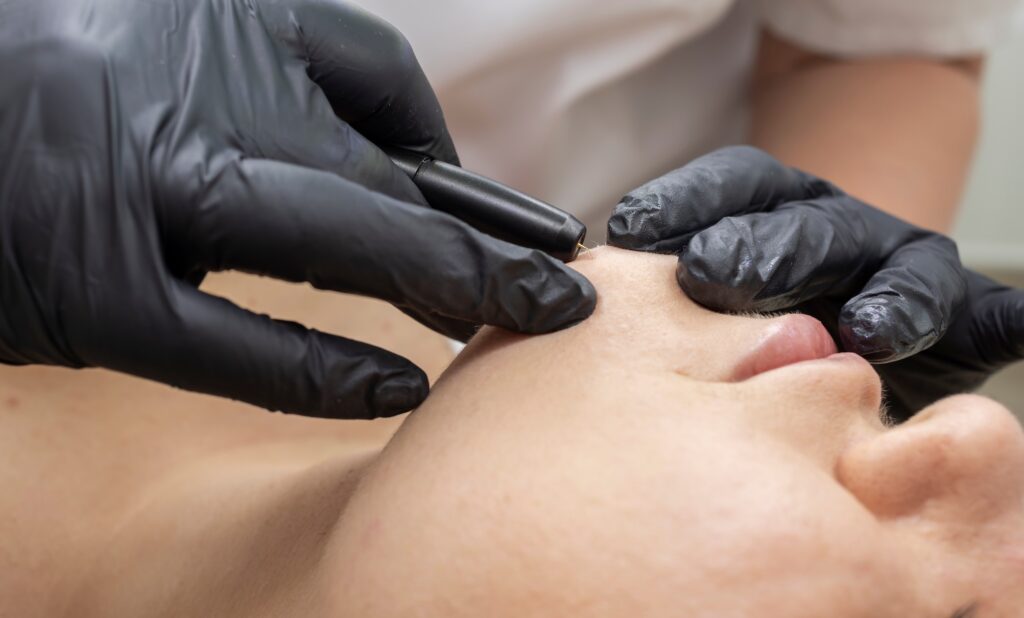
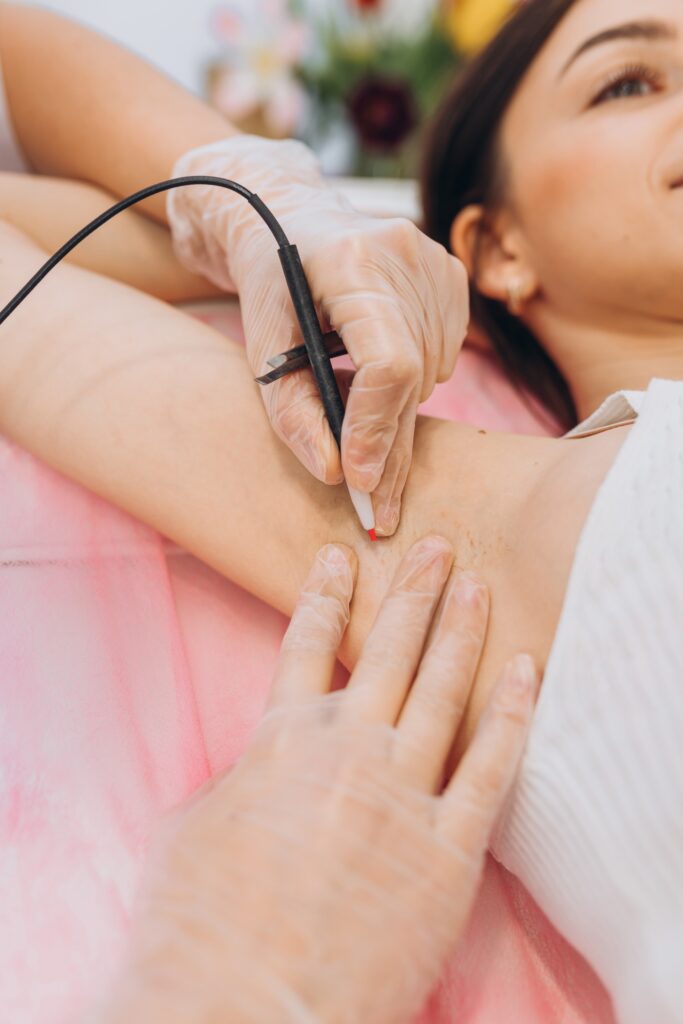
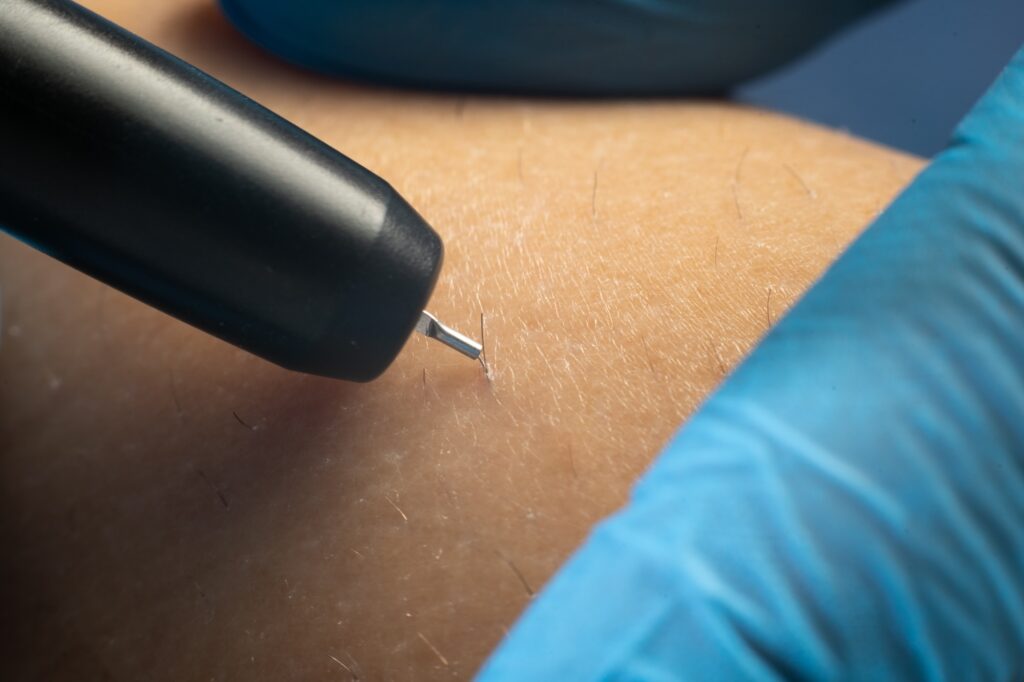
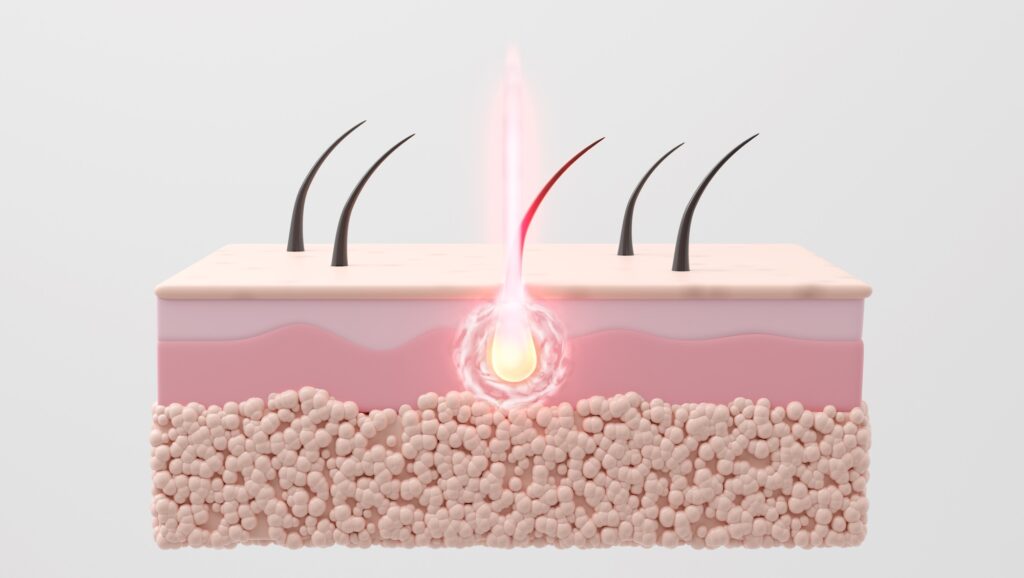
Electrolysis is the only FDA-recognized method of permanent hair removal, but the quality of the result depends almost entirely on who’s performing the procedure. A skilled, licensed electrologist using modern equipment will produce dramatically better outcomes than an under-trained operator with older tools, both in permanent results and in skin safety. This guide covers what to evaluate before booking: credentials, equipment, sanitation, consultation quality, and the red flags that should send you elsewhere. Key Takeaways Look for state licensure plus formal certification (CCE, CME, or both). Modern computerized equipment (like the Apilus xCell line) means less discomfort, better precision, and faster sessions. Single-use sterile disposable probes are non-negotiable. Reusable probes are outdated practice. A proper consultation evaluates your specific case rather than pushing a generic package. Walk away from any provider promising permanent results in just a few sessions, since electrolysis works only on follicles in the active growth phase. Match the provider to your need. Hormonal hair, sensitive areas, and pre-surgical clearance require specific experience. Credentials and Licensing Requirements vary by state. Florida requires licensure through the Department of Health and the Board of Medicine. Other states have minimal oversight, which makes formal certification an important secondary signal. What to look for: State license where required (in Florida, a Licensed Electrologist credential) Certified Clinical Electrologist (CCE) from a recognized program like Beauty and Health Institute Certified Medical Electrologist (CME) from the Society for Clinical and Medical Hair Removal Professional membership in groups like the American Electrology Association (AEA) or a state association Credentials should be displayed in the treatment area. If you don’t see them, ask. A qualified provider expects this question and answers it directly. Modern Equipment Matters Older electrolysis machines deliver wider, less targeted current that causes more discomfort and often requires more sessions to achieve the same results. Modern computerized systems deliver current with greater precision, less skin reaction, and substantially less pain. What to look for: A computerized epilator system. The Apilus xCell line is widely considered the gold standard for facial work. The provider can explain which modality (galvanic, thermolysis, or blend) they use for your hair type, and why. Probe size and energy settings calibrated to your specific hair, not a generic default. Your browser does not support video playback. View the video here. Sanitation Standards Single-use sterile disposable probes are essential. Reusable probes (even those sterilized between clients) are outdated practice and introduce unnecessary risk. Other sanitation indicators: Disposable gloves, changed between clients Probe opened from sealed packaging in front of you Treatment table covered with fresh paper or a clean sheet Visibly clean, organized treatment room Don’t hesitate to ask about sanitation directly. Any reputable provider welcomes the question. The Quality of the Consultation Skip any provider who tries to book treatment on a first call without a consultation. A real consultation should include: An in-person look at the treatment area Discussion of your hair color, density, growth pattern, and any hormonal factors An honest timeline estimate (typically 8 to 18 months for facial areas, longer for hormonally driven hair) Clear pricing, usually structured per minute or per session Realistic outcome expectations rather than guarantees Be skeptical of anyone promising full clearance in a small number of sessions. Electrolysis works only on follicles in the active growth phase, and any given area requires multiple visits to catch every follicle when it’s active. For more on why permanence takes time, see our guide on whether electrolysis is permanent. Experience With Your Specific Need Electrolysis is not a single procedure with a single application. Treating chronic ingrown hairs is a different problem than pre-surgical clearance for gender-affirming surgery, which is different again from clearing hormonal facial hair driven by PCOS. Ask about: Their experience with your specific area (face, body, or both) Their familiarity with hormonal hair if applicable (PCOS, perimenopause) For pre-surgical clearance: how they coordinate with your surgical team For sensitive areas or low pain tolerance: their approach to comfort management For a breakdown of which areas suit electrolysis best and which suit laser instead, see our guide on the best areas for electrolysis. Red Flags to Walk Away From No state license where one is required Refusal to show credentials or certifications Reusable, non-disposable probes Promises of “permanent results in 3 to 5 sessions” Pressure to prepay for large packages without a consultation No clear answer on pricing or what’s included Refusing to perform a consultation before treatment Reviews that mention scarring, burns, or pitting Questions to Ask Before Booking What’s your licensure and certification? What equipment do you use, and which modality fits my hair type? Are probes single-use sterile disposables? How do you adjust treatment for sensitive skin or specific skin tones? What’s a realistic timeline for clearing my specific area? How do you price sessions, and what’s the typical session length? Can I see before-and-after photos from similar cases? What’s your policy on rescheduling, refunds, or pausing treatment? A confident, qualified provider answers all of these without hesitation. Vague or evasive responses are a signal to keep looking. How Laser Affair Meets These Standards The criteria above are the ones we built our practice around. Every electrolysis session is performed by a Licensed Electrologist credentialed through the Florida Department of Health and Board of Medicine, using the Apilus xCell Pur and single-use sterile disposable probes. We have a Board Certified Plastic Surgeon as Medical Director, and consultations are always free with no contracts or memberships required. Mary Beth Lambert, RE, CCE, CME (Founder) Licensed Electrologist #EO1374 (Florida DOH / Board of Medicine) Certified Medical Electrologist #M07121622 (Society for Clinical and Medical Hair Removal) Certified Clinical Electrologist #0004893 (Beauty and Health Institute) Licensed Facial Specialist #FB9746030 Laser Safety Officer Laser certifications from Candela, Syneron, and CynoSure Member, Society of Clinical and Medical Hair Removal; Electrolysis Association of Florida Briana Morejon, CCE (Certified Clinical Electrologist) Licensed Electrologist #EO4019 (Florida DOH / Board of Medicine) Certified Clinical Electrologist, Beauty and Health Institute Licensed Facial Specialist Laser Safety Officer Gerard