
Author name: marybeth

ipl at home laser hair removal
Laser Hair Removal

Does At-Home Laser Hair Removal Work?

If you’ve ever scrolled through social media, you’ve probably seen glowing reviews for at-home laser hair removal devices. They promise silky skin, salon results at a fraction of the price, and the convenience of DIY beauty. Is it too good to be true? Here’s the truth: at-home laser hair removal isn’t the same as what you get in a professional clinic, and it’s important to know the difference before you buy. It works short-term for some people, but not for others. At-Home Devices are Not Lasers Let’s get real: at-home devices and professional laser treatments are not interchangeable. Professional clinics use powerful, medical-grade lasers that are specifically designed to target and destroy hair follicles. These machines must be registered with the Department of Health and Board of Medicine and operated by trained experts who know how to adjust settings for your skin and hair type, ensuring both safety and effectiveness. There is a reason a doctor is required to oversee these clinics! At-home devices, on the other hand, are much less powerful. Most use IPL (Intense Pulsed Light), which can temporarily reduce hair growth but rarely delivers the dramatic, long-lasting results you see in clinics. The difference in power and technology means you’ll need ongoing sessions, and you might still end up with patchy or incomplete results. It’s Not Truly Permanent One of the biggest misconceptions about at-home laser hair removal is that it offers permanent hair reduction. While you might see some hair reduction—especially if you’re consistent—studies show that at-home devices typically max out at around 50% hair reduction after several months of use compared to over 80-95% % with professional lasers.  Even with the best at-home device, you’ll need to keep up with regular on-going sessions to keep hair from coming back. In other words, at-home laser hair removal is more about managing hair growth than making it disappear for good. It’s Not Safe for Everyone At-home laser hair removal comes with its own set of risks. Just because these devices are less powerful doesn’t mean they’re risk-free. Improper use can lead to burns, irritation, pigmentation changes, or even scarring, especially if you don’t follow the instructions or use the device on unsuitable skin or hair types. People with darker skin tones, in particular, need to be extra cautious. Many at-home devices aren’t designed for darker skin, and using them incorrectly can cause burns or discoloration. Always check if your device is FDA-approved and suitable for your skin type before starting treatment. If You Have a Device, Follow Instructions Closely If you’ve already invested in an at-home device, make sure to use it as safely and effectively as possible: Read the Manual: Seriously, don’t skip this step. Every device is different, and the instructions will tell you how to use it safely. Do a Patch Test: Before treating a large area, test the device on a small patch of skin to make sure you don’t have an adverse reaction. Avoid the Face: Many at-home devices aren’t safe for facial use. Check the instructions and stick to approved areas. Don’t Use on Tanned or Sunburned Skin: This increases your risk of burns and pigmentation changes. Use Only on Suitable Skin and Hair Types: If you have darker skin or lighter hair, check that your device is designed for your needs. The Bottom Line At-home laser hair removal can be a convenient way to reduce unwanted hair, but it’s not a magic wand. It’s not the same as professional treatments, it’s not truly permanent, and it’s not safe for everyone. If you do decide to try it, follow the instructions closely and manage your expectations. For the best, safest, and longest-lasting results, professional laser hair removal is still the gold standard. At Laser Affair, we provide professional laser hair removal in Tampa using only the best equipment out there: the Candela Alexadrite and Nd:Yag lasers.  Contact us with any questions and we’re happy to talk details with you! View this post on Instagram A post shared by Nayamka | Los Angeles Esthetician (@labeautyologist)

can you get laser hair removal on antibiotics
Laser Hair Removal

Can You Get Laser Hair Removal While on Antibiotics? 

Can You Get Laser Hair Removal While on Antibiotics? | Laser Affair Tampa Laser Affair · Tampa Can You Get Laser Hair Removal While on Antibiotics? By Mary Beth · 4 min read · Updated 2026 The Short Answer Often yes, but timing is everything. Many oral antibiotics make your skin more sensitive to light, so the safest approach is usually to wait until you have finished your course, and to tell your technician about every medication you take before your session. It is one of the most common questions we hear at our Tampa studio, and a fair one. People take antibiotics for all sorts of things, from sinus infections to acne, and laser hair removal works by aiming intense light at the hair follicle. When a medication changes how your skin reacts to light, that combination deserves a careful look. Here is what actually matters, and how we handle it. Why Antibiotics and Laser Don’t Always Mix The issue is a side effect called photosensitivity: certain drugs make your skin react more strongly to light than it normally would. Because laser hair removal delivers concentrated light energy into the skin, treating skin that is already light-sensitive raises the odds of a reaction. When photosensitivity and laser overlap, the risks include: Burns and blisters in the treated area Redness, swelling, and itching beyond the normal, brief response Hyperpigmentation (dark spots) or hypopigmentation (light spots) Rashes or a longer healing time than usual None of this means laser is off-limits if you have ever taken an antibiotic. It means the timing and the specific drug matter, which is exactly what a good consultation sorts out. Which Antibiotics Actually Matter Not every antibiotic carries the same risk. Oral antibiotics known to cause photosensitivity are the real concern. Topical antibiotics, the creams and gels applied to the skin, generally pose far less risk for laser treatment. Higher-risk oral antibiotics Tetracyclines, including doxycycline and minocycline, often prescribed for acne Fluoroquinolones, such as ciprofloxacin and levofloxacin Sulfonamides, such as sulfamethoxazole (often in Bactrim) Some macrolides, such as azithromycin, to a lesser degree If you are on a long-term antibiotic, for acne or a chronic condition, do not simply stop it to fit in a laser session. Talk to the doctor who prescribed it and to your laser hair removal provider. Together you can either pause the medication with medical approval or, more often, simply adjust your treatment schedule around it. Timing your sessions around any photosensitizing medication keeps treatment safe and comfortable. How Long Should You Wait? For most antibiotics, the general guidance is to wait at least two weeks after your final dose before a laser session. That gives the medication time to clear your system and your skin time to return to its normal sensitivity. Some antibiotics linger longer, and for those, waiting up to one or two months may be the safer call. There is no single number that fits every drug, which is why the honest answer is always the same: confirm the timing with your prescriber and let your technician know what you have taken and when. At a Glance Factor What to Know Main risk Photosensitivity: burns, blisters, and pigment changes Waiting period 2 weeks to 2 months after your last dose, depending on the drug Higher-risk drugs Tetracyclines, fluoroquinolones, sulfonamides, some macrolides Topical antibiotics Generally low risk for laser treatment If you must proceed Lower settings, smaller areas, skin cooling, strict sun protection If Treatment Really Can’t Wait Sometimes pausing is not practical. If you and your providers decide to move ahead while you are on a photosensitizing medication, a cautious approach lowers the risk: Lower laser settings, which may mean more sessions for the same result Treating smaller areas at a time Pre-treatment skin cooling and diligent sun protection with SPF 30 to 45 or higher Avoiding sun exposure and tanning beds before and after treatment, which matters year-round in Florida Reporting any adverse reaction to your provider right away It’s Not Only Antibiotics Antibiotics get the attention, but they are not the only medications that increase photosensitivity. Retinoids (including acne treatments like isotretinoin), NSAIDs, certain diuretics, some antihistamines, and a number of psychiatric medications can all heighten your skin’s reaction to light. This is why we ask for a full medication list rather than just asking about antibiotics: the goal is a complete picture, not a single box to check. Frequently Asked Questions Can I get laser hair removal while taking doxycycline? Doxycycline is a tetracycline, one of the antibiotic classes most associated with photosensitivity, so most providers recommend waiting until you have finished the course, typically at least two weeks after your last dose. Since doxycycline is often prescribed long-term for acne, talk to your prescriber and your technician about the best schedule rather than stopping on your own. How long after finishing antibiotics can I book a session? Two weeks after your final dose is the common minimum, but some longer-acting antibiotics call for one to two months. The right wait depends on the specific drug, so confirm the timing with your prescriber and let your technician know what you took and when. Are topical antibiotics a problem for laser hair removal? Generally, no. Topical antibiotics applied to the skin pose much less photosensitivity risk than oral ones. Even so, mention any product you are using in the treatment area so your technician can plan accordingly. What if I don’t tell my technician about my medication? It is genuinely important that you do. Your technician sets the laser to your skin and situation, and a photosensitizing medication changes that calculation. Full disclosure lets us keep your treatment both safe and effective, and it is a standard part of every consultation. Is it safe if I’m on antibiotics for acne long term? It can be, with planning. Long-term acne antibiotics are often photosensitizing, so we coordinate with you and your prescriber to either adjust your treatment timing or, with medical approval, work around

General

Top 5 Laser Hair Removal Areas: Where Can You Remove Unwanted Hair?

Top 5 Laser Hair Removal AreasWhere Can You Remove Unwanted Hair? Laser hair removal is one of the most effective and long-lasting solutions for unwanted hair. Whether you’re looking to eliminate facial hair, get rid of back hair, or achieve smooth legs, laser hair removal can target almost any area of the body. But which areas are the most popular for treatment? At Laser Affair Inc., we specialize in providing safe, professional, and highly effective laser hair removal services. In this guide, we’ll break down the top five laser hair removal areas, what to expect, and why this treatment is a game-changer for smooth, hair-free skin. 1. Face (Upper Lip, Chin, and Sideburns) One of the most common laser hair removal areas is the face, particularly for those who struggle with unwanted facial hair due to genetics or hormonal changes. For example, men struggling with ingrown beard hairs or women who grow more hair than they feel comfortable with opt to laser it away. The most frequently treated areas include: Upper Lip – Ideal for removing mustache-like hair.Chin – Common for women with hormonal hair growth.Sideburns – Helps define a clean facial outline. 2. Underarms (Armpits) Tired of shaving your armpits every day? The underarms are one of the most requested laser hair removal areas because of the convenience and long-term smoothness it offers. The underarm area responds exceptionally well to laser hair removal due to the contrast between skin tone and hair color. No more shaving bumps or dark shadows. Reduces sweat and odor since hair traps bacteria. Quick treatment time—5-10 minutes per session. 3. Bikini Area (Brazilian & Bikini Line) The bikini area is another top laser hair removal zone, especially before vacation season! Whether you prefer a simple bikini line cleanup or a full Brazilian, laser hair removal ensures a smooth, ingrown-free finish. Bikini Line vs. Brazilian: What’s the Difference? Bikini Line – Removes hair along the edges of underwear and 2 inches into the thighs.Brazilian – Removes all pubic hair (front, back, and everything in between) except for the butt cheeks. 4. Legs (Full or Half-Legs) Shaving your legs every few days can be time-consuming and frustrating. That’s why laser hair removal for legs is one of the most sought-after treatments. Full Legs vs. Half-Legs Half-Legs – Treats either the upper thighs or lower legs (from knees down).Full Legs – Covers the entire leg, from thighs to ankles. 5. Back & Chest (For Men and Women) The back and chest are common laser hair removal areas for men, as they can be difficult to shave and maintain. Women often seek hair removal treatments for excessive peach fuzz on their backs, or areola hairs on their chest. Women who experience hormonal hair growth in these areas (due to PCOS or genetics) also benefit from laser treatments. Why Laser Hair Removal is Great for Back & Chest: ✔ Eliminates thick, coarse hair.✔ Reduces ingrown hairs and irritation.✔ No need to rely on hard-to-reach shaving. Final Thoughts: Is Laser Hair Removal Right for You? If you’re tired of shaving, waxing, or dealing with ingrown hairs, laser hair removal is an excellent solution. The most popular areas to treat include: Face (Upper Lip, Chin, Sideburns) Underarms Bikini/Brazilian Legs Back & Chest At Laser Affair Inc., we offer safe, Tampa laser hair removal services with advanced technology for all skin types. Our expert technicians ensure a comfortable, effective experience with long-lasting results. Book your consultation today and say goodbye to unwanted hair for good! FAQ How Many Sessions Are Needed? Most people need 4-6 sessions, spaced 4-6 weeks apart, for optimal hair reduction. Depending on the person and the area, more sessions can be necessary to eliminate all of the hair desired. Can I Shave Between Laser Hair Removal Sessions? Yes. In fact, shaving is the only recommended method of hair removal between sessions. Avoid waxing, plucking, or epilating, as these methods remove the hair follicle that the laser targets. What Lasers Are Used?We use advanced laser technology including the Alexandrite laser, which is considered the gold standard for treating lighter skin tones. For deeper skin tones, we utilize lasers like the Nd:YAG, which safely bypass melanin in the skin while targeting the hair follicle. Our team selects the right laser for your skin type to ensure safe, effective results. How Bad Does Laser Hair Removal Hurt?Most people describe the sensation as a sharp rubber band snap or a quick sting. While it varies by treatment area and personal sensitivity, discomfort is brief and tolerable. Areas with thinner skin (like the upper lip or bikini line) may feel more intense, but our lasers include cooling features to reduce irritation.

exercising after laser hair removal
Laser Hair Removal

Can You Exercise After Laser Hair Removal?

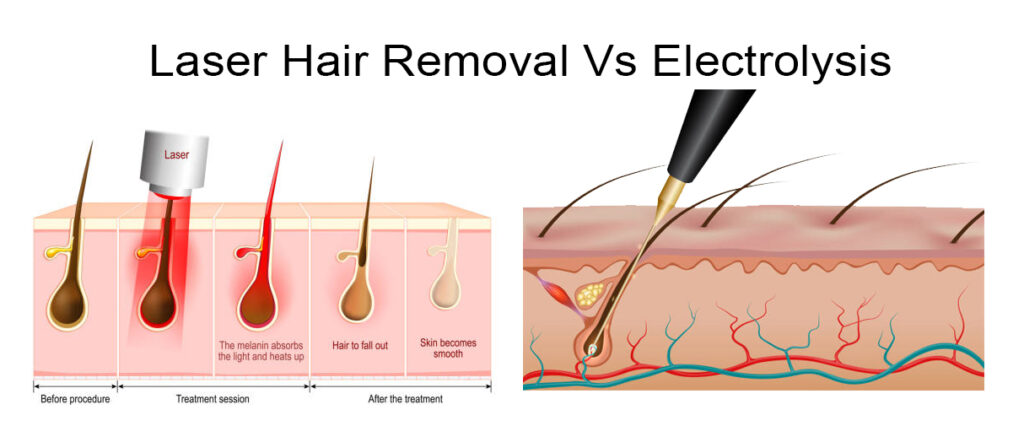
Laser hair removal has become an effective way for many people to achieve long-term hair reduction. One of the most common questions after treatment is whether it’s safe to exercise. Understanding how physical activity affects the treated areas can help ensure a smooth recovery and optimal results. This post will explore why it’s best to avoid exercise immediately after laser hair removal and when it’s safe to return to your workout routine. How Laser Hair Removal Works Laser hair removal involves targeting hair follicles with laser energy to destroy the root and inhibit future hair growth. The procedure is designed to selectively target the pigment in the hair without damaging the surrounding skin. While this treatment is safe and effective, it does cause temporary irritation and sensitivity in the treated areas. Proper aftercare, including avoiding certain activities like exercise, is essential to ensure the skin heals correctly. Why Exercise Should Be Avoided After Laser Hair Removal Exercise immediately after laser hair removal is not recommended. Physical activity raises the body’s temperature and causes sweating, which can lead to skin irritation and complications in the healing process. Sweating can also introduce bacteria to the treated areas, increasing the risk of infection. After laser hair removal, the skin is more sensitive than usual. The heat generated from the laser weakens the hair follicles, and exercising too soon can cause friction and increased discomfort. Additionally, the combination of heat, moisture, and sweat can slow down the recovery process and lead to unnecessary irritation.   Exercising After Laser Hair Removal In general, it’s best to avoid any form of exercise for 24 to 48 hours after your laser hair removal session. This allows the skin to cool down and reduces the risk of inflammation or irritation. Light activities such as walking may be acceptable, but it’s important to avoid strenuous workouts that cause sweating and raise body heat. Why You Shouldn’t Sweat After Laser Hair Removal Sweating after laser hair removal can be problematic for several reasons: Irritation: The treated area is already sensitive due to the laser energy. When sweat mixes with the skin, it can cause stinging or burning, leading to increased redness or swelling. Increased Risk of Infection: Bacteria live on the surface of the skin and can be carried in sweat. Since the treated follicles are vulnerable after the procedure, sweat can introduce bacteria, leading to potential infections or complications like folliculitis. Prolonged Healing Time: Sweating and exercise can increase blood flow to the skin, which may delay the healing process. The extra moisture can trap heat in the treated area, prolonging inflammation. For these reasons, it’s important to minimize sweating by refraining from exercise for at least 24 hours to allow your skin to heal properly. When Can You Resume Exercise? You can typically return to light exercise 24 to 48 hours after your laser hair removal treatment, depending on the sensitivity of your skin and the area treated. It’s essential to monitor the treated areas closely during this period. If you notice any lingering redness, swelling, or discomfort, it may be best to extend your break from exercise until these symptoms subside. High-intensity workouts, running, or any activities that cause excessive sweating should be avoided for at least two days after treatment. Once you return to exercising, be mindful of the clothing you wear. Opt for loose, breathable fabrics that don’t cause friction against the treated area. Avoid tight clothing, which may rub and irritate the skin. Tips for Safe Post-Laser Hair Removal Exercise When you’re ready to return to your exercise routine, follow these tips to protect your skin and get the most from your laser hair removal treatment: Wear Loose Clothing: Choose loose, cotton fabrics that allow your skin to breathe and prevent chafing. Avoid tight, synthetic fabrics that trap sweat and cause friction on the treated areas. Avoid Hot Environments: Stay away from hot yoga, saunas, or steam rooms for a few days after treatment. Heat can aggravate the skin and slow the healing process. Hydrate Well: Keeping your body hydrated is essential for maintaining healthy skin. Drink plenty of water before and after exercise to promote healing. Use Sunscreen: If you’re exercising outdoors, apply sunscreen to the treated areas. The skin will be more sensitive to sunlight after laser hair removal, making it more prone to sunburn. Long-Term Considerations Laser hair removal requires multiple sessions for best results, and proper aftercare is critical between each treatment. By avoiding exercise for the recommended time and following your provider’s advice, you can help ensure the best outcome from your laser hair removal sessions. If you have concerns about post-treatment care or the timing of your exercise routine, consult your laser technician for guidance. Your Laser Hair Removal Experts At Laser Affair Inc., we specialize in providing effective laser hair removal treatments for clients in Tampa, Florida. Our experienced team offers guidance on post-treatment care to ensure smooth healing and optimal results. Whether you’re a regular at the gym or just beginning your fitness journey, we’re here to help you achieve the best outcome from your laser hair removal sessions. Contact us today to schedule your consultation and learn more about our services.

Red Bumps After Laser Hair Removal
General

Red Bumps After Laser Hair Removal: Causes and Treatment

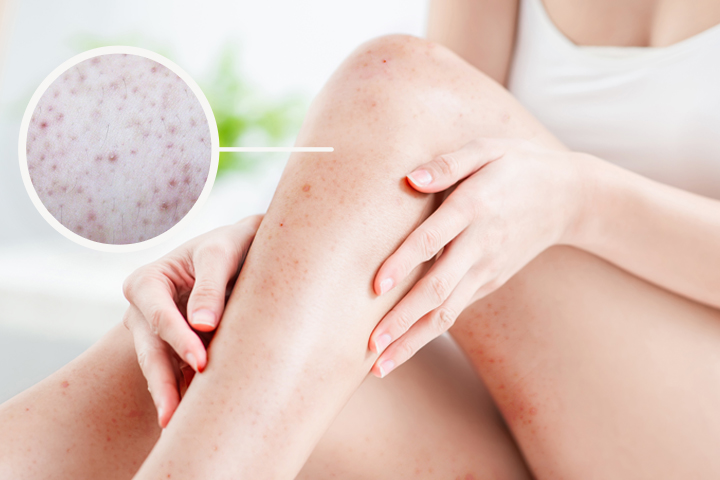
Laser hair removal is a popular way to reduce unwanted hair, but some people may notice red bumps after treatment. These bumps are usually temporary and nothing to worry about, but they can be concerning if you’re not expecting them. In this post, we’ll explain why red bumps appear, how to manage them, and when to seek help. Why Do Red Bumps Appear After Laser Hair Removal? Red bumps are a common reaction to laser hair removal, caused by the laser targeting hair follicles. The heat from the laser can irritate the skin, leading to small raised bumps, especially in sensitive areas. These bumps usually show up within hours and go away within a few days (typically they don’t last past the day of treatment). Factors That Contribute to Red Bumps Skin Sensitivity: If you have sensitive skin, you’re more likely to get bumps after treatment. Treatment Area: Areas like the face, bikini line, and underarms are more prone to bumps due to their sensitivity and hair density. Post-Treatment Care: Following aftercare instructions is crucial. Skipping steps like moisturizing can increase the chance of bumps. Hair Type: Thick, coarse hair absorbs more laser energy, which can lead to more redness and bumps. How Long Do Red Bumps Last? For most people, red bumps go away within a day or two, though sensitive areas may take longer. If they last more than a week or get worse, contact your laser technician or dermatologist. How to Treat Red Bumps Cool Compress: Apply a cool compress for 10-15 minutes to reduce swelling. Moisturize: Use a gentle, fragrance-free moisturizer to soothe the skin. Avoid Sun Exposure: Keep the treated area out of the sun and wear sunscreen if needed. Don’t Scratch or Pick: Let the bumps heal naturally to avoid infection. Avoid Heat and Sweating: For 24-48 hours, skip activities that cause sweating, like exercise or saunas. Use Aloe Vera or Hydrocortisone Cream: If bumps are itchy, these can provide relief—just check with your technician first. When to Seek Help If the bumps last longer than a week, become painful, or show signs of infection, like oozing or pus, consult a professional for further treatment. These bumps should calm down over time, not get worse. Preventing Red Bumps in Future Sessions Follow Aftercare Instructions: Stick to the aftercare plan your technician provides. Shave Before Treatment: Shaving helps reduce the heat absorbed by the skin, minimizing redness. Use Soothing Products: Ask your technician for recommendations on calming products to use after treatment. Laser Affair Inc. in Tampa At Laser Affair Inc., we provide expert Tampa laser hair removal services with personalized care. If you have concerns about red bumps after laser hair removal or need help managing them, our experienced technicians are here to guide you through the process. Contact us today to schedule a consultation!

Waxing vs Laser Hair Removal
General

Waxing vs. Laser Hair Removal: Which Is Right for You?

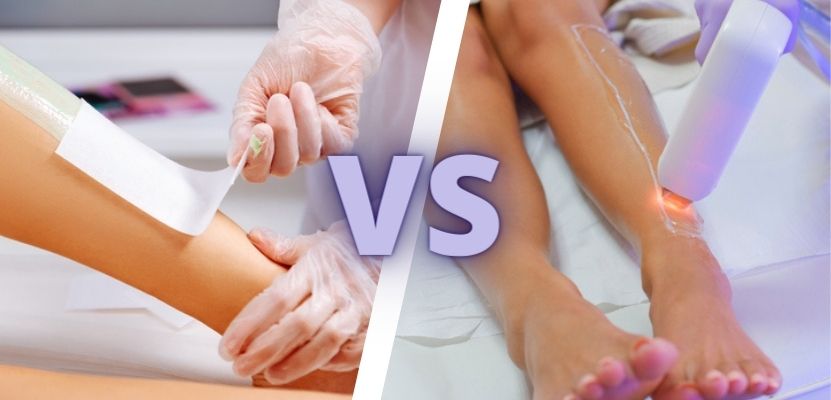
 When it comes to hair removal, waxing and laser hair removal are two popular options, but they work in different ways and offer varying results. To help you decide which method is best for you, we’ll break down the differences in effectiveness, pain level, cost, and long-term benefits. How Does Waxing Work? Waxing involves applying hot or cold wax to the skin, which grips the hair. The wax is then quickly pulled away, removing the hair from the root. It works on both large areas, like the legs, and small areas, like the face, and typically keeps skin hair-free for 2-6 weeks. However, it can be painful, especially in sensitive areas. How Does Laser Hair Removal Work? Laser hair removal uses light beams to damage hair follicles, reducing future hair growth. It’s most effective on darker hair and lighter skin and offers long-term results. While it may not permanently remove hair for everyone, it significantly reduces hair growth over time. Most people need 6-8 sessions for optimal results. Comparing the Pain Level Both waxing and laser hair removal come with some level of discomfort, but the sensation varies between the two. Waxing: Waxing is painful, especially during the moment when the wax is pulled away from the skin. The pain is temporary but can be intense in sensitive areas, such as the bikini line or underarms. Laser Hair Removal: Laser hair removal is often described as a sensation similar to snapping a rubber band against the skin. While it can cause discomfort, especially in sensitive areas, most modern laser systems include cooling mechanisms to reduce pain. For some people, the discomfort lessens with each session as hair becomes finer. Long-Term Results: Waxing vs. Laser Hair Removal The results of waxing are temporary, with hair growing back after two to six weeks. If you want smooth skin on a regular basis, waxing needs to be repeated frequently. Over time, waxing can weaken hair follicles, resulting in finer hair growth, but it will not stop hair growth entirely. Laser hair removal, on the other hand, offers long-term hair reduction. After completing the recommended number of sessions, many people experience significant hair reduction, and the hair that regrows tends to be lighter and finer. In some cases, hair stops growing entirely. While touch-up sessions may be needed to maintain results, the overall long-term commitment is lower than waxing. Cost Comparison Waxing: Waxing is less expensive per session than laser hair removal. However, because waxing must be repeated frequently to maintain results, the cumulative cost over time can add up. For example, you may get a bikini wax monthly for your entire life, compared to 6-8 laser hair removal sessions and be good to go. Laser Hair Removal: While laser hair removal has a higher upfront cost, the long-term benefits can make it more cost-effective. Once the full treatment is completed, the need for ongoing hair removal decreases, reducing future costs. Treatment Time Waxing: A waxing session for large areas can take anywhere from 30 minutes to an hour, depending on the size of the treatment area. Small areas like the upper lip or eyebrows take just a few minutes. Since waxing requires regular maintenance, the time commitment can become significant over time. Laser Hair Removal: Laser hair removal sessions are generally quicker. Small areas, such as the upper lip, take just a few minutes, while larger areas, such as the legs or back, may take around 30 minutes to an hour. Since fewer sessions are required long term, laser hair removal often involves less overall time. Skin Sensitivity Both waxing and laser hair removal can cause temporary skin irritation, but the type of sensitivity differs. Waxing: Waxing can lead to redness, bumps, and minor irritation, especially if the skin is sensitive or if the wax is too hot. Some people also experience ingrown hairs after waxing. Laser Hair Removal: Laser hair removal may cause temporary redness or swelling, but these effects usually subside within a few hours. Because the laser targets the hair follicle without disturbing the surrounding skin, it may result in fewer ingrown hairs compared to waxing. Which Method Is Right for You? If you want a quick, temporary fix and don’t mind regular sessions or paying a lot of money over time, waxing is a good option. If you’re looking for long-term results with fewer treatments, laser hair removal may be the better choice. Your Tampa Laser Hair Removal Experts At Laser Affair Inc., we provide specialized laser hair removal services for clients in Tampa, Florida. Our team uses advanced laser technology to deliver safe and effective treatments, helping clients achieve long-lasting hair reduction. If you’re considering laser hair removal or want to learn more about how it compares to waxing, contact Laser Affair Inc. today to schedule a consultation.

laser hair removal and eczema
General

Can Laser Hair Removal Help Eczema?

Eczema is a chronic skin condition that affects millions of people. It often causes red, inflamed, and itchy patches of skin, which can be uncomfortable and difficult to manage. Many people who suffer from eczema seek out solutions to reduce irritation and improve their skin’s appearance. One question that comes up is whether laser hair removal can help with eczema. While laser hair removal is primarily used to reduce hair growth, its effects on sensitive skin conditions like eczema require careful consideration. What Is Eczema? Eczema, also known as atopic dermatitis, is a condition that leads to dry, itchy skin, and in some cases, flare-ups of inflammation. It is common in both adults and children and can vary in severity. The skin condition is triggered by several factors like allergens, irritants, stress, and changes in the weather. Eczema can appear on various parts of the body, including the face, neck, arms, and legs. For people with eczema, managing the condition often involves avoiding triggers and using treatments such as moisturizers, corticosteroid creams, and in some cases, prescription medications. A daily skincare routine is essential for controlling flare-ups and maintaining healthy skin. Can Laser Hair Removal Affect Eczema? Laser hair removal works by using concentrated light to target the pigment in hair follicles. The laser damages the follicle, reducing future hair growth. While the procedure is generally safe, it may cause temporary redness, irritation, or swelling in the treated areas. People with sensitive skin or skin conditions, like eczema, should be cautious when considering laser treatments. How Laser Hair Removal May Help Eczema In some cases, laser hair removal can provide relief for people with eczema, particularly when hair removal methods such as shaving or waxing exacerbate the condition. Shaving leads to skin irritation, ingrown hairs, and razor burn, which can trigger eczema flare-ups. Waxing, too, can cause inflammation and irritation, especially in sensitive areas. By opting for laser hair removal, people with eczema can avoid the skin trauma caused by these hair removal methods. Over time, the reduction of hair growth may lead to fewer irritants coming into contact with the skin, reducing the likelihood of flare-ups. Potential Risks The heat from the laser may irritate the skin, especially during a flare-up, and sensitive skin can lead to more discomfort during treatment. Post-treatment care is also extra important to prevent complications. Precautions to Take Before Laser Hair Removal If you have eczema and are considering laser hair removal, it’s important to take certain precautions to ensure the treatment is safe and effective: Consult with a DermatologistTalk to a dermatologist before getting laser hair removal to see if it’s right for your skin and eczema. A professional can assess whether the treatment might cause irritation or be beneficial. Treat Eczema Flare-Ups Before TreatmentAvoid laser hair removal during active eczema flare-ups. Wait until your skin is clear of rashes or inflammation to reduce the risk of irritation and achieve better results. Choose a Qualified TechnicianFind an experienced technician who knows how to handle sensitive skin. They may use lower energy settings or test a small area first to avoid irritation. Post-Treatment CareFollow your technician’s aftercare instructions closely. Keep the skin moisturized, avoid sun exposure, and don’t scratch or rub the treated area to help it heal properly. Alternatives to Laser Hair Removal If laser hair removal isn’t a good option for you, there are other methods to consider. Depilatory creams can be gentler than shaving or waxing, but it’s best to test a small patch first to check for irritation. For some, trimming with scissors or an electric trimmer might be the least irritating choice. The key is to find a method that doesn’t trigger flare-ups or make eczema worse. Personalized Laser Hair Removal Services At Laser Affair Inc. in Tampa, we understand that each client’s skin is unique. For those with eczema, our experienced team provides personalized laser hair removal services tailored to meet individual needs. We work closely with clients to assess skin conditions and create treatment plans that promote long-lasting hair reduction while minimizing discomfort. If you’re considering laser hair removal and have concerns about eczema, contact Laser Affair Inc. today to schedule a consultation and learn more about how we can help.

How Often You Need to Get Laser Hair Removal
General

How Often You Need to Get Laser Hair Removal (& How Many Sessions You Can Expect)

If you’re like most people, you’re getting tired of shaving the same areas over and over. Between expensive razors, razor burns, and feeling embarrassed when you forget to shave, it can become a real chore. Considering laser hair removal? This guide will explain how often you’ll need to come in and how long you can expect to wait for results. How Long to Wait Between Laser Hair Removal Sessions It’s typically recommended to get your laser hair removal treatment every 4-6 weeks, not waiting longer than 6 weeks if you’re new to treatment. Why? Getting laser hair removal treatment every 4-6 weeks ensures that the laser targets hair in the active growth phase, maximizing effectiveness. Waiting longer than 6 weeks can miss this optimal timing, making treatments less effective and prolonging the overall process. As you progress through your treatments, your technician will generally let you know when you can begin waiting longer than 6 weeks. For example, if you’ve already had several treatments and don’t have any hair growing for a prolonged period. How Many Sessions Should You Expect? In general, most people require 6-10 treatments, but this depends on the treatment area, hair type, skin color, and personal response to treatment. For example, for hormonal areas like the face and neck, some people require closer to the 10-session mark. For non-hormonal areas like the arms and legs, many people find success from 6 treatments. Factors that Affect Your Treatment Length Skin and Hair Color As mentioned before, some people can get away with fewer treatments than others. Without getting deep into how laser hair removal works, you should know that the laser targets pigmentation in the hair. This pigmentation is easier for the laser to target when the hair and skin are very different colors. So, the process works best on people with light skin and dark hair using the alexandrite laser, while those with dark skin tones can safely be treated with the Nd:YAG laser.  The correct laser, settings, and parameters ensure those with darker skin tones safe and effective treatments. All lasers work best by targeting heavier hair. This is why laser hair removal is not very effective on peach fuzz. Peach fuzz is typically fine and light, making it hard for the laser to find. Hormones Hormonal areas like the face and neck aren’t just controlled by the typical hair cycle. Hormones can cause hair to grow back faster and thicker in these areas, requiring more laser hair removal sessions for effective results. Conditions like polycystic ovary syndrome (PCOS) or hormonal changes during pregnancy and menopause can further increase hair growth. This means that while some areas of the body might need fewer sessions, hormonally influenced areas will need more frequent and consistent treatments to achieve and maintain smooth, hair-free skin. Hair Thickness Thicker, coarser hair absorbs more laser energy, making it easier to treat and often requiring fewer sessions. However, if your hair is finer and lighter, it may not absorb the laser as effectively, leading to the need for additional sessions to achieve the desired results.  Areas like the genitals and underarms typically have darker, coarser hair, and treatment is very effective there. On the contrary, areas with lighter hair like the upper lip or arms (on some people) might be too blonde to treat quickly! Laser Hair Removal FAQs How long between laser hair removal sessions? Laser hair removal sessions are typically spaced 4-6 weeks apart to target hair in the active growth phase, ensuring optimal results and efficiency. How many sessions for laser hair removal? Most people need 6-10 laser hair removal sessions for effective, long-lasting results, though this can vary based on individual hair and skin types. Is 3 sessions enough for Brazilian laser hair removal? Three sessions are usually not enough for Brazilian laser hair removal. Typically, 6-8 sessions are needed for effective, long-term results. How many laser treatments for the chin? Chin laser hair removal usually requires 6-8 sessions to achieve significant and lasting results, due to hormonal influences and hair thickness. How many laser sessions for underarms? Underarm laser hair removal typically requires 6-8 sessions to effectively reduce and remove hair, providing smooth, long-lasting results. How many laser hair removal treatments for the bikini area? For bikini laser hair removal, 6-10 laser hair removal treatments are usually needed to achieve thorough and lasting hair reduction. How many laser sessions for legs? Leg laser hair removal generally requires around 6 sessions to effectively target and remove hair for smooth, long-lasting results. How often should you do laser hair removal? Laser hair removal sessions should be done every 4-6 weeks to align with the hair growth cycle and achieve the best results.

Scroll to Top